Key Takeaways
- Online reviews have become a powerful form of digital word-of-mouth marketing.
- Customers use ratings, reviews and public feedback to evaluate businesses before visiting a website or contacting a business.
- Reviews and other public customer feedback can help AI-powered search and recommendation platforms understand a business’s services, reputation and customer experience.
- A strong online reputation can build trust and support conversions throughout the customer journey.
- Consistent communication and positive customer experiences can lead to more reviews, referrals and repeat business.
- Connecting customer information, communication and reputation management can help businesses create stronger experiences at scale.
Word-of-mouth marketing has always been one of the most powerful ways to grow a small business.
A customer tells a friend about a great experience. A neighbor recommends a trusted contractor. A family member shares the name of the local business they rely on.
Those personal recommendations still matter. But today, many of those conversations are happening online.
Customers read reviews before making a purchase. They compare ratings, browse customer feedback and look for proof that a business delivers on its promises. They may also ask Google, ChatGPT or another AI-powered platform to recommend a business, and the information the digital reputation businesses influence those platforms surface have built over time.
In many ways, online reviews have become the modern referral system.
For small businesses, that means reputation is no longer just about responding to the occasional review. Every customer interaction can influence what people say about your business, how easily new customers can find you, and whether they feel confident choosing you.

Small Business SEO & AEO Visibility Checklist
Optimize your business for search engines, AI answers, and zero-click discovery. Use this step-by-step checklist to improve visibility, strengthen trust signals, and turn online searches into real customer inquiries.
Download the Checklist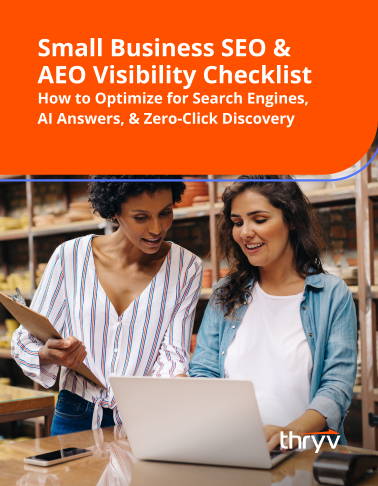
Online Reviews Are the New Word-of-Mouth
Think about the last time you needed a new service.
Maybe you searched for a plumber, looked for a local accountant, or compared nearby salons. You may have asked someone you trust for a recommendation. But chances are, you also looked online.
You probably checked a business’s rating. You may have read recent reviews, looked for comments about pricing or customer service, and paid attention to how the business responded to feedback.
That process has become a normal part of how customers make decisions.
Traditional word-of-mouth usually happens in private conversations between people who know one another. Online reviews make those recommendations visible to a much larger audience.
One positive review can help hundreds of potential customers learn about a business. A collection of recent, detailed reviews can show customers what to expect before they ever make contact.
Reviews can also answer questions that businesses may not address directly on their websites.
Customers often describe:
- The services they received
- How quickly the business responded
- Whether the process was easy
- How employees treated them
- The quality of the final result
- Whether they would recommend the business to others
That feedback provides real-world context. It helps prospective customers understand what working with a business may actually feel like.
For a small business, every positive customer experience has the potential to become a public recommendation.
Customer Conversations Can Influence AI Recommendations
Online word-of-mouth is becoming even more important as customers use AI-powered tools to research products, compare services and find local businesses.
Instead of searching only for a specific business name, customers can now ask questions such as:
“What is the best roofing company near me?”
“Which local accountant has great customer service?”
“Can you recommend a highly rated dog groomer in my area?”
AI-powered search and recommendation platforms use information available across the web to generate responses. Reviews, ratings, business information and public customer feedback can all contribute to the broader picture these systems build about a business.
AI platforms are not simply looking for a business that repeats the right keywords. They are trying to identify businesses that appear relevant, credible, and useful for a customer’s specific question.
Customer reviews can provide valuable context because they often include natural language about:
- Specific services
- Locations and service areas
- Customer needs
- Quality and results
- Responsiveness and reliability
- Overall customer experiences
For example, a review that says, “They quickly repaired our roof after a storm and kept us updated throughout the process,” communicates much more than a five-star rating alone.
It provides details about the service, the customer’s situation, and the experience the business delivered.
The more consistently a business earns authentic feedback, the more information customers and digital platforms have to understand what the business does and why people choose it.
That does not mean businesses should try to write reviews for customers or chase keywords. The strongest reputation strategies begin with delivering a great experience and making it easy for satisfied customers to share honest feedback.
Your Reputation Builds Trust Before the First Conversation
Customers often form an opinion about a business before visiting its website, calling its office or submitting a form.
They may see a star rating in search results. They may read a recent review on a business profile. They may find a customer recommendation while researching options.
Those moments can influence whether a customer decides to learn more or move on to another business.
A strong reputation helps reduce uncertainty.
When customers see recent, positive feedback from people with similar needs, they may feel more confident taking the next step. Reviews can validate the claims a business makes about its services and provide social proof that the business follows through.
This trust can influence the entire customer journey:
- Discovery: Reviews can help customers notice a business while searching online.
- Consideration: Detailed feedback can help customers compare options and understand what makes a business different.
- Decision: Positive experiences from other customers can provide the reassurance someone needs to call, book, or request a quote.
- Loyalty: Consistent service and communication can encourage customers to return and recommend the business to others.
- That is why reputation management should not be treated as a separate marketing activity.
- Your reputation reflects the experiences customers have across your business. It is connected to how quickly you respond, how clearly you communicate, and how consistently you deliver.
Better Customer Experiences Lead to Better Reviews
Businesses cannot control what every customer writes. But they can create conditions that make positive feedback more likely.
A great customer experience often starts with simple things:
- Responding quickly to inquiries
- Providing clear information
- Sending helpful reminders and updates
- Making scheduling and payments easier
- Following up after a service is complete
- Resolving questions before they become frustrations
When these experiences are consistent, customers are more likely to remember the business positively and recommend it to others.
The challenge is that many small businesses manage customer communication across disconnected tools, inboxes, and spreadsheets. A lead may come in through one system; customer details may live in another, and follow-up may depend on someone remembering to complete a manual task.
That can create gaps in the customer experience.
A missed message, delayed response or forgotten follow-up may seem small, but those moments can affect how customers perceive the business.
Using a centralized customer management system can help businesses keep customer information organized and give teams the context they need to provide more consistent service.
Automation can also make it easier to maintain communication after a customer interaction. Businesses can use automated follow-ups, reminders, and customer outreach to stay connected without relying on manual processes for every message.
When communication and customer information are better connected, businesses can spend less time managing disconnected tasks and more time delivering experiences customers want to share.
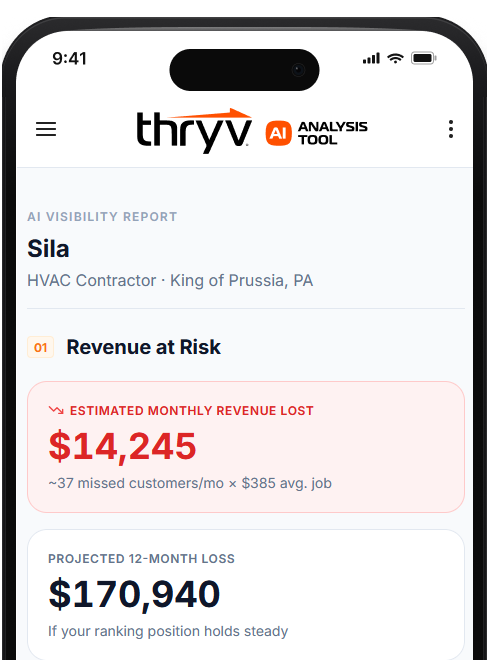
See how your business stacks up against competitors
Get a free AI-powered report showing where you rank online and what to fix first.
Make Reputation Management Part of Your Growth Strategy
A strong online reputation is not built through reviews alone.
It is the result of the experiences customers have before, during and after every interaction with a business. The way you communicate, respond to questions, follow up and resolve concerns can all influence whether customers leave a review or recommend your business to others.
That is why reputation management works best as part of a broader customer experience strategy.
Businesses can strengthen their reputation by:
- Making it easy for satisfied customers to leave honest feedback
- Monitoring reviews consistently
- Responding to both positive and negative feedback
- Looking for recurring themes in customer comments
- Using feedback to improve services and communication
- Maintaining relationships after a service or sale is complete
Review management tools can help businesses organize these efforts by making it easier to monitor feedback, identify customer sentiment, and respond to reviews from a central location.
Businesses can also use automated review requests to create a more consistent process for collecting customer feedback. The key is to make the request timely and easy while allowing customers to share their honest experiences.
The goal is not simply to collect more five-star ratings. It is to understand what customers value, identify opportunities to improve, and build a reputation that reflects the experience your business provides.
Turn Customer Experiences Into Business Growth
Word-of-mouth marketing has not disappeared. It has expanded.
Today, a customer recommendation can appear in a review, show up in search results, influence an AI-generated answer, or help someone decide which business to contact.
That creates new opportunities for small businesses, but it also raises the importance of delivering consistent customer experiences.
The businesses that earn trust online are not necessarily the ones with the most complicated marketing strategies. They are often the businesses that communicate clearly, follow through on their promises, and make it easy for satisfied customers to share their experiences.
By connecting customer information, communication, and reputation management, businesses can create a more consistent experience while building the trust that supports long-term growth.
Because the next customer may not hear about your business from a neighbor.
They may find your reputation online.
How to Jump-Start Small Business Growth with AI
Discover how to use AI to make smarter decisions, streamline your marketing, and grow more efficiently — without adding complexity. This practical guide breaks down what AI really means for your business and shows you how to apply it to improve customer engagement, uncover insights, and scale with confidence.
Download
Build a Reputation Customers Want to Share
Great customer experiences can lead to stronger reviews, more referrals, and lasting customer relationships.
Explore how connected customer management, communication and reputation tools can help your business create better experiences and build trust online.
Frequently asked questions
Yes. Online reviews are a form of digital word-of-mouth marketing because customers publicly share their experiences and recommendations. Unlike traditional referrals, online reviews can reach a much larger audience and continue influencing potential customers over time.
Reviews help customers evaluate a business before making contact. Ratings, recent feedback and detailed customer experiences can build trust, answer common questions and make customers feel more confident choosing one business over another.
AI-powered search and recommendation platforms may use publicly available information, including reviews, ratings and customer feedback, to understand businesses and generate relevant recommendations. Reviews can provide context about services, customer experiences and business strengths.
The best way to earn more reviews is to consistently deliver a positive customer experience and make it easy for satisfied customers to share feedback. Timely follow-up and automated review requests can help businesses create a more consistent review-generation process.
Reputation management helps businesses monitor customer feedback, respond to reviews and build trust with future customers. A strong reputation can improve visibility, support customer confidence and contribute to more inquiries, conversions and referrals.
Businesses can improve their online reputation by delivering consistent customer experiences, requesting feedback at the right time, responding professionally to reviews and using customer feedback to identify opportunities for improvement.