
A homeowner finds your website, fills out a contact form, and hires someone else before you have a chance to follow up. Another customer leaves a great review that goes unanswered. Meanwhile, you’re spending time and money on marketing, but still aren’t sure what’s bringing in new business.
That’s why choosing the best marketing software for small business matters. The right platform can help you attract more customers, follow up faster, stay visible online, and spend less time managing marketing.
Many service businesses rely on a mix of tools that were built for different purposes. As those tools pile up, it’s harder to stay consistent, track results, and keep up with new opportunities. In fact, 74% of small business owners plan to invest more time in marketing, so finding software that helps you work smarter has never been more important.
This guide compares the best marketing software options for small businesses, with a focus on service-based companies. We’ll cover what to look for, what to avoid, and how Thryv® helps businesses get found online, win more customers, and drive repeat business.
Key Takeaways
- The best marketing software helps service businesses get found, win more customers, and generate repeat business.
- Missed leads, unanswered reviews, and slow follow-up can cost jobs. The right tools help close those gaps.
- AI features can help prioritize leads, respond to reviews, create content, and automate follow-up, saving you valuable hours every week.
- Choose software built for service businesses and designed to support the full customer journey, from first search to repeat customer.
- Most popular marketing platforms were built for large companies, not purpose-built for small service businesses. That difference matters.
Why Marketing Software Matters for Small Service Businesses
Many service businesses end up managing reviews in one tool, social media in another, email in yet another, and their website on a separate platform. Over time, it becomes harder to stay consistent and easier for opportunities to slip through the cracks.
When someone’s air conditioner stops working on a Saturday afternoon, they search online, scan a few businesses, read recent reviews, and call the company that looks most trustworthy. If your business information is outdated, your reviews are thin or unanswered, or your website is difficult to use on a phone, that customer may never contact you.
For service businesses, those moments can directly impact revenue. An outdated phone number, an unanswered review, or a slow website may be all it takes for a customer to choose someone else.
Many of the same factors that influence whether a customer calls you also affect your visibility in local search. That’s why understanding fundamentals like local search and SEO for small businesses remains important for generating more calls and opportunities.
The takeaway as you compare platforms: the solution isn’t more tools, it’s the right tools, focused on helping you attract customers, convert leads, and create repeat business.
What to Look for in Small Business Marketing Software
A customer finds your business online, reads a few reviews, visits your website, and requests an estimate. What happens next can determine whether you win the job or a competitor does.
Most service business owners trying to manage reviews, social media, email, and their website end up with a stack of disconnected tools. As those systems multiply, it becomes harder to stay consistent and easier for opportunities to slip through the cracks. Here’s what to weigh before you choose.
Does It Cover Your Full Customer Journey?
Getting found is only the first step. The best platforms help attract new customers, follow up with leads, and stay connected after the job is complete.
A homeowner who hires you today may need another service six months from now. Consistent follow-up can help generate repeat business and referrals.
Is It Built for Service Businesses?
A local plumber, HVAC company, or landscaper has different needs than a large e-commerce brand.
Look for software designed around local visibility, reputation management, and customer acquisition. Many businesses exploring all-in-one marketing platforms for small businesses discover that industry fit matters just as much as the feature list.
Does It Include AI Tools That Save Real Hours?
Marketing is usually the first thing to get pushed aside when customer work comes first.
If reviews are piling up, Thryv’s AI Review Response can help draft personalized replies in seconds. If social media has fallen behind, CaptionAI can turn a completed job into ready-to-share content. Some platforms also use AI to prioritize leads, create marketing content, and automate routine tasks. When you compare options, it helps to understand which AI marketing tools for small businesses actually save time, versus those that just add features.
Does It Manage Your Online Presence?
Customers often decide whether to call before they ever contact you.
Accurate listings, recent reviews, and a professional website all influence whether someone chooses your business or keeps searching. Software that helps manage these areas can save time and strengthen your visibility.
Can You See What’s Driving Revenue?
If you’re spending time or money on marketing, you should be able to see what’s generating calls, leads, and booked work.
Knowing which email campaigns, SMS messages, social posts, or referral sources are bringing in customers helps you focus your effort and your budget on what actually drives revenue.
Can You Run It Without a Marketing Team?
Business owners rarely have hours to spend learning complicated software.
Look for tools that are easy to use and designed for businesses without dedicated marketing staff. The right platform should help you keep marketing moving without becoming another full-time job to manage.
The 7 Best Marketing Software Options for Small Businesses
Different platforms solve different problems. Here are seven marketing software options to consider, including tools built specifically for service-based businesses.
1. Thryv
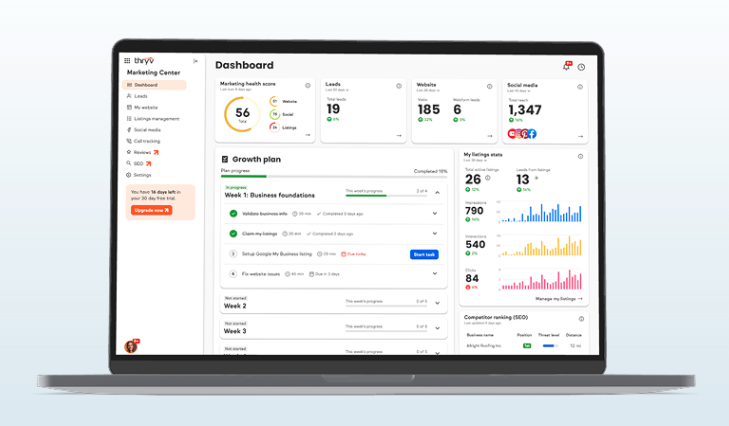
Thryv is AI-powered marketing software built specifically for small service-based businesses. It helps businesses get found online, convert more leads into customers, and generate repeat business.
Thryv manages local listings across 40+ directories, helps businesses collect and manage reviews, supports social media scheduling with CaptionAI, and includes an AI-powered website builder that creates AEO/SEO-optimized websites designed to attract local customers. When new leads come in, AI Lead Insights helps identify which opportunities deserve immediate attention so owners know who to call first.
It also helps businesses stay connected after the job is complete. Automated follow-up through email campaigns and text messages helps keep customers engaged, while AI Review Response drafts personalized review replies that strengthen online reputation. For example, after a water heater repair, a customer can automatically receive a review request, a follow-up message, and a future maintenance reminder without requiring manual outreach.
Businesses outside the service industry, such as e-commerce brands or companies with large in-house marketing teams, may find more specialized tools better aligned with their needs.
Best for: Service-based small businesses (HVAC, plumbing, cleaning, roofing, salons, and more)
Starts at: Multiple plans available. You can start with a free trial that includes four core features: Social Media Management, Reputation Management, Listings Management, and the AI Website Builder.
2. HubSpot Marketing Hub
HubSpot Marketing Hub is a marketing platform focused on lead generation, email marketing, automation, and customer relationship management.
Businesses with dedicated marketing resources often appreciate HubSpot’s reporting and automation capabilities. It can be a strong option for companies with longer sales cycles and more complex marketing strategies.
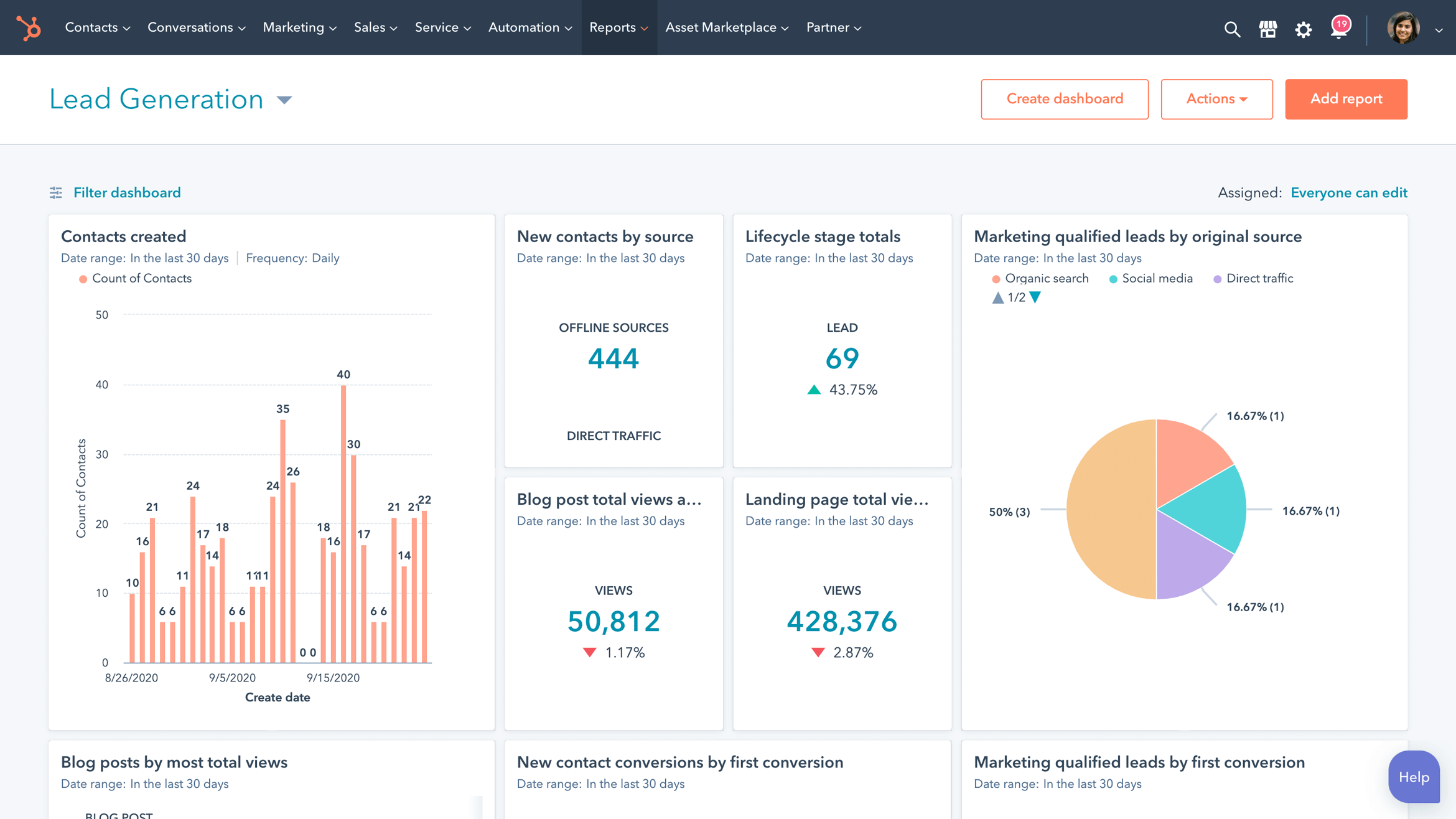
For many small service businesses, HubSpot’s pricing and learning curve can feel overly advanced. Businesses comparing options often explore the differences between HubSpot vs. Thryv when deciding whether they need enterprise-level marketing tools or a platform built around local customer acquisition.
Best for: Growing businesses with dedicated marketing teams
Starts at: Free plan available; paid plans vary
3. MailChimp
Mailchimp is best known for email marketing and customer communication.
Businesses can use Mailchimp to send newsletters, promotions, seasonal reminders, SMS campaigns, and follow-up messages. For service businesses, this can help keep past customers engaged and encourage repeat bookings throughout the year.
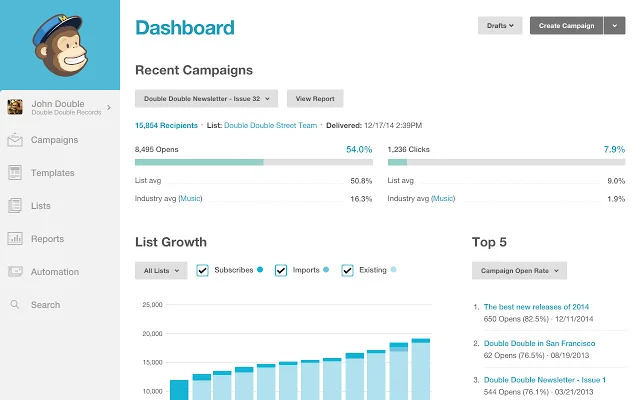
Its primary focus remains email marketing. Businesses looking for support with reviews, local visibility, website management, and lead generation will likely need additional tools.
Best for: Email marketing and customer communication
Starts at: Free plan available
4. HootSuite
Hootsuite helps businesses schedule, manage, and monitor social media activity across multiple platforms.
Service businesses can use Hootsuite to maintain a consistent presence without posting every day. Staying visible between customer visits can help keep your business top of mind when someone needs service in the future.
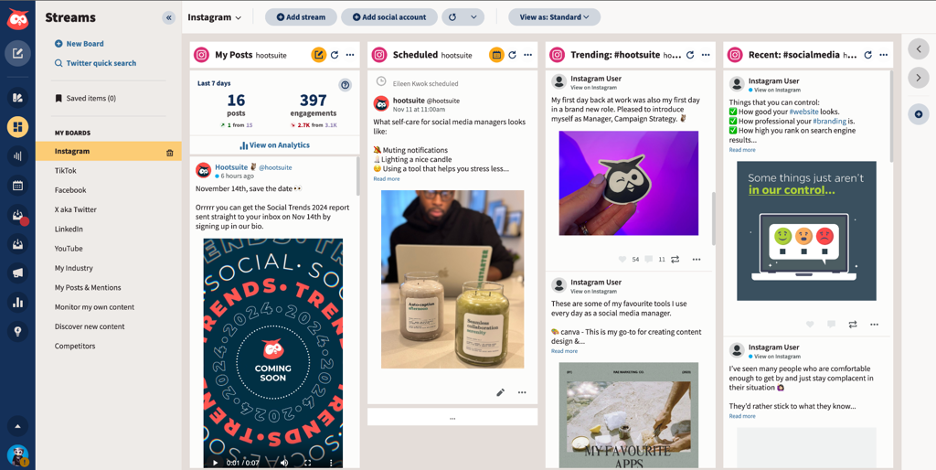
Social media is one way to attract customers. Businesses still need solutions for reviews, listings, websites, and lead management, often requiring additional software.
Best for: Social media scheduling and management
Starts at: Paid plans available
5. ActiveCampaign
ActiveCampaign combines email marketing, customer communication, and automation tools.
Businesses use it to build automated follow-up sequences that keep prospects engaged and encourage repeat business. This can be useful for following up on estimate requests, staying connected with past customers, or sending seasonal reminders through email and SMS campaigns. If automation is your priority, it’s worth reviewing the best marketing automation platforms for small businesses to see which fit a service model.
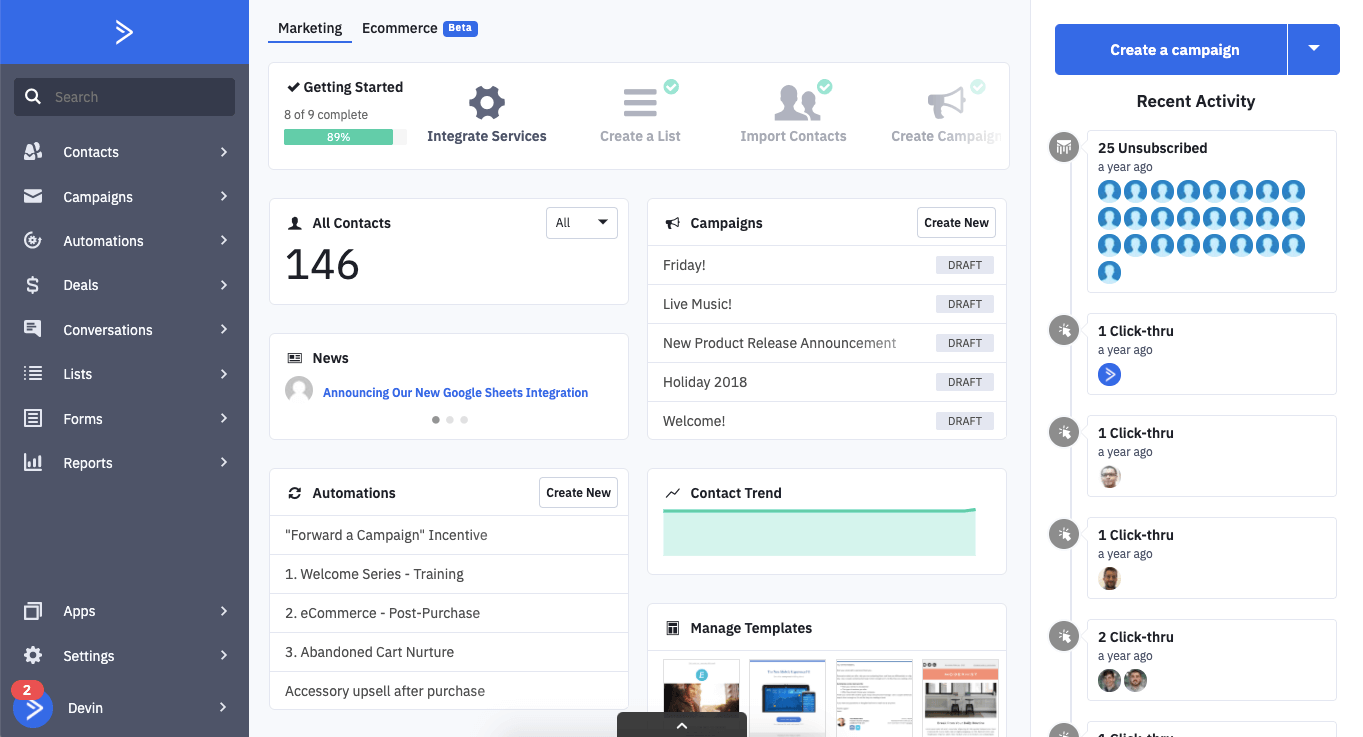
The platform is heavily focused on automation and customer communication. Service businesses looking for support with online visibility, reviews, and local search presence may need additional tools.
Best for: Marketing automation and customer follow-up
Starts at: Paid plans available
6. Jobber
Jobber is designed for home service businesses and focuses primarily on scheduling, quoting, invoicing, and day-to-day operations.
For businesses managing a busy field schedule, Jobber helps keep jobs organized and improve operational efficiency. Customer information, contact data, work orders, and scheduling tools are managed in one place.
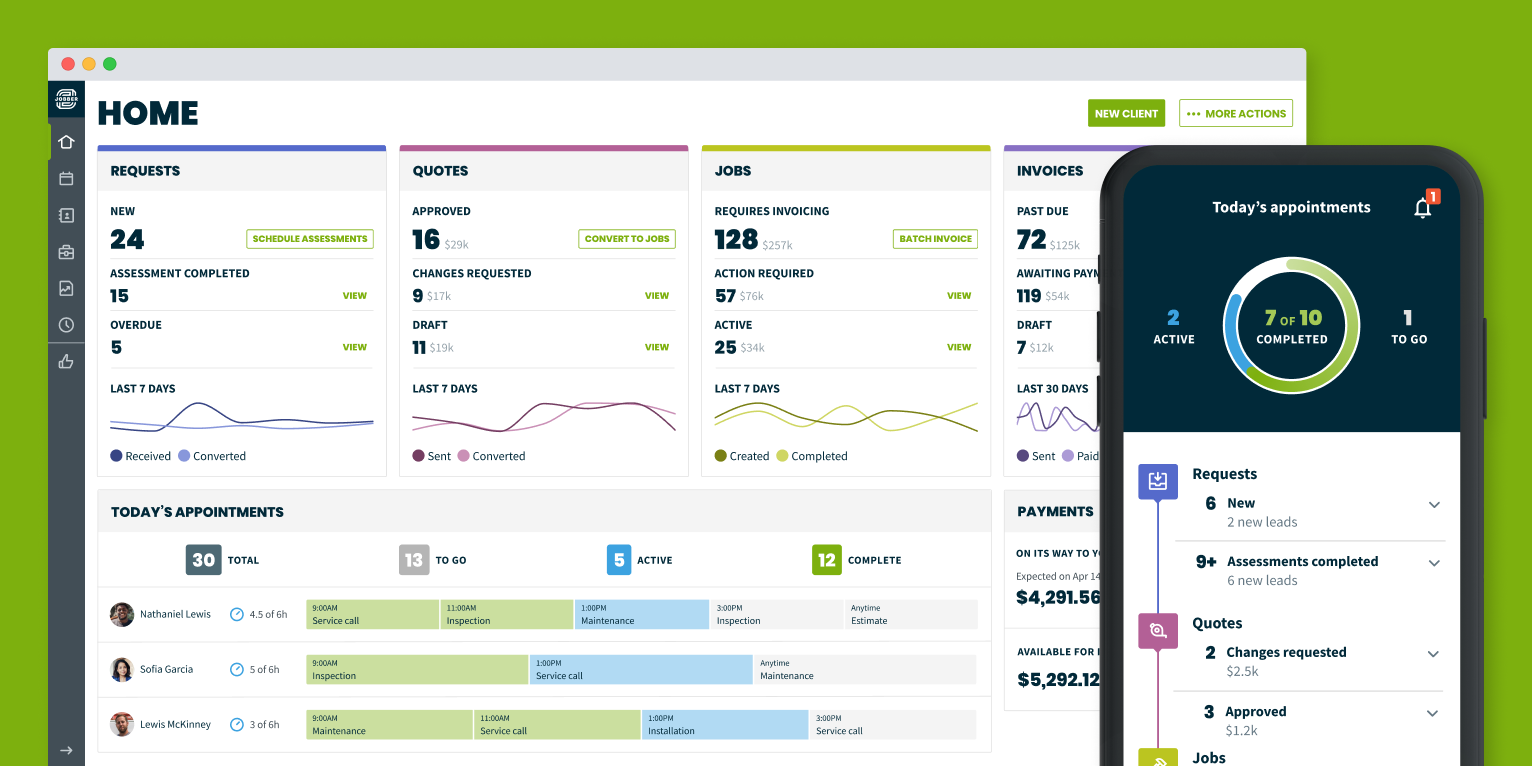
Its marketing capabilities are more limited than platforms focused on customer acquisition and visibility. Businesses evaluating options often compare solutions such as Jobber, Housecall Pro, and Thryv to determine how much support they need for marketing versus operations.
Best for: Service business operations and scheduling
Starts at: Paid plans available
7. GoHighLevel
GoHighLevel is a marketing and automation platform originally built for agencies and businesses managing multiple marketing activities.
Businesses that want customized lead capture, follow-up, and communication processes often appreciate its flexibility. It offers a wide range of tools for companies that prefer a hands-on approach.
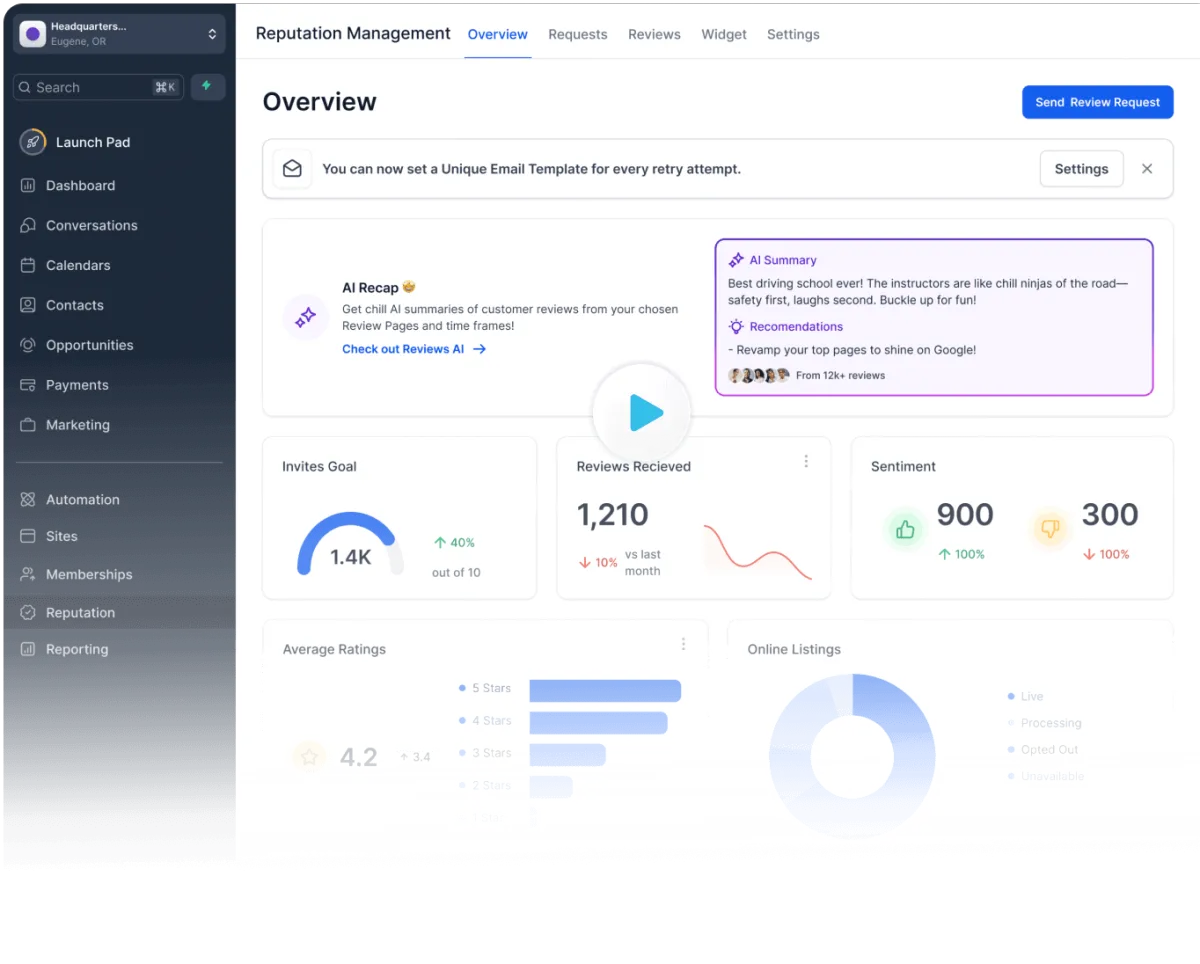
Some small business owners find the platform requires more setup and ongoing management than simpler solutions. When comparing options, many businesses evaluate HighLevel vs. Thryv to understand which platform better aligns with their day-to-day needs.
Best for: Agencies and businesses that want extensive customization
Starts at: Paid plans available
At a glance:
| Software | Best For | Pros | Cons | Pricing |
| Thryv | Service-based small businesses | Visibility, reviews, leads, customer retention, AI insights | Less specialized for non-service industries | Free trial available |
| HubSpot Marketing Hub | Growing marketing teams | Reporting, automation, A/B testing, customer data tools | Higher cost and complexity | Free and paid plans |
| MailChimp | Email marketing | Easy customer communication and SMS campaigns | Limited beyond email | Free and paid plans |
| HootSuite | Social media management | Scheduling, content planning, cross-channel marketing | Focused primarily on social media | Paid plans |
| ActiveCampaign | Marketing automation | Workflow builder, automated follow-up, customer behavior triggers | May require additional marketing tools | Paid plans |
| Jobber | Service operations | Scheduling, job management, customer experience support | Limited marketing functionality | Paid plans |
| GoHighLevel | Custom marketing workflows | Flexible automation, landing pages, workflow builder | More setup and management required | Paid plans |
See If Thryv Is the Right Fit for Your Business
Thryv manages your listings, reviews, social media, and leads in one unified platform, so you can stop juggling tools and start winning more jobs.
How to Choose the Right Marketing Software for Your Business
After reviewing several platforms, focus on the challenges that are costing your business the most opportunities.
1. Start with Your Biggest Marketing Bottleneck
Identify where opportunities are being lost, whether that’s visibility, lead response, or weak customer retention. Solve the most expensive problem first.
2. Audit Tools You’re Already Using
Look for gaps, duplicate work, or systems that create more work than they save. You may be paying for overlap you don’t need.
3. Prioritize Platforms with Native Capabilities
Choose software that handles more of your marketing in one place, rather than relying on multiple tools and integrations that can break.
4. Use a Free Trial Before Committing
Test the platform with real tasks to see how it fits into your day-to-day workflow.
5. Confirm It’s Designed for Your Business Type
The closer the software matches how your business actually operates, the faster you’ll see value, and the less time you’ll spend forcing a tool to fit.
FAQs About Best Marketing Software
The best marketing software helps service businesses get found online, manage their reputation, follow up with leads, and stay connected with customers after the job is complete. Platforms built for local service providers often provide the most value.
CRM software helps manage customer information and sales opportunities. Marketing software helps attract new customers through search visibility, reviews, email marketing, social media, and lead generation. Many service businesses benefit from a platform that combines both, so customer data and marketing work together instead of living in separate tools.
AI can help businesses prioritize leads, respond faster to inquiries, create marketing content, and improve online visibility. If several leads arrive overnight, AI can help identify which prospects need immediate attention first.
For most service businesses, the essentials include a professional website, local listings management, review management, customer communication tools, and a way to track leads. Many businesses also benefit from email campaigns, SMS marketing, and marketing automation software.
Stop Managing Marketing. Start Growing Your Business.
Not all marketing software is built the same way. For service businesses specifically, the gap between software that’s designed for your business and software that’s been adapted from something else is the difference between a tool that saves you hours every week and one that collects dust.
The platforms that win for service businesses cover the full customer journey, from getting found in local search to bringing customers back for a second, third, and fourth job. Missed inquiries, unanswered reviews, and inconsistent follow-up can quietly cost you revenue, while closing those gaps leads to more calls, more booked work, and more repeat customers over time.
You built your business through hard work, expertise, and a commitment to your customers. The right marketing software helps take marketing tasks off your plate so you can spend more time focusing on the work that keeps your business growing.
See What Thryv Can Do for Your Business
Stop managing five tools that don’t talk to each other. Thryv connects your listings, reviews, social media, leads, and customer follow-up in one place.