Key Takeaways
- Customer service automation includes AI review responses, unified messaging, workflow automation, and self-service tools that reduce manual work while improving the customer experience.
- AI review response is one of the fastest-growing automation use cases as customers increasingly expect businesses to respond to reviews within the same day.
- The best AI customer service automation features draft personalized responses, flag sensitive reviews for human approval, and keep customer conversations organized in a unified inbox.
- Start small by automating review responses first, then expand into messaging, follow-up campaigns, and other workflows as you see results.
- Responding quickly builds trust. Businesses that consistently reply to reviews are viewed as more trustworthy and create stronger first impressions with future customers.
- An all-in-one platform like Thryv helps small businesses automate customer service, marketing, and follow-up from a single login instead of managing multiple disconnected tools.
What Customer Service Automation Actually Covers in 2026
Customer service automation is any technology that handles customer interactions with little or no manual effort. That includes everything from chatbots and AI assistants to automated workflows, review requests, and AI-generated review responses. As businesses continue looking for ways to serve customers more efficiently, the market for customer service automation is projected to grow at a 25.8% compound annual growth rate, reaching $47.82 billion by 2030, according to MarketsandMarkets.
Today, customer service automation generally falls into four categories:
- Self-Service: Tools that help customers find answers on their own through FAQs, help centers, and knowledge bases.
- Workflow Automation: Routes inquiries, assigns tickets, sends reminders, and keeps customer requests moving without manual intervention.
- Conversational AI: Includes chatbots, virtual assistants, and AI voice agents that answer common questions, collect information, and assist customers around the clock.
- Reputation Automation: Manages review requests and helps businesses respond quickly with AI-assisted review responses, making it easier to stay engaged with customers after every interaction.
That last category often gets overlooked. While most guides to customer service automation focus on support tickets and live chat, reviews are one of the most visible customer interactions a business has. Every response reassures the customer who left the review while also influencing future customers who are deciding whether to contact your business. In other words, review management isn’t just customer service; it’s customer service and marketing working together.
This is especially true for local service businesses. Unlike large call centers with dedicated support teams, most contractors, home service companies, healthcare practices, and local retailers have only a handful of employees (or just the owner) handling customer communication. Every missed message or unanswered review carries more weight because each interaction can directly affect future bookings and revenue.
It’s also why AI adoption is accelerating among smaller businesses. According to the Intuit QuickBooks 2026 AI Impact Report, 77% of U.S. small and midsize businesses now use AI regularly, up from 48% in July 2024. The biggest gains are happening in the repetitive tasks that often fall through the cracks, including marketing, administrative work, and customer service. For many businesses, AI customer service automation isn’t about replacing people, but making sure every customer gets a timely response, even when the workday gets busy.
See What You’re Missing in Reviews You Haven’t Answered Yet
Get the Small Business Guide to Automation and see where AI review response fits into the rest of your customer service stack.
What Automating Reviews and Service Actually Buys You
Responding to reviews quickly isn’t just good customer service; it’s good business. According to BrightLocal’s 2026 Local Consumer Review Survey, businesses that respond to at least 75% of their reviews are seen as 2.8 times more trustworthy than businesses that rarely respond.
That trust has a direct impact on customer decisions. In fact, 42% of consumers say they won’t use a business that never responds to reviews at all. Every unanswered review is a missed opportunity to show both the reviewer and future customers that you value feedback. Speed matters, too. AI customer service automation helps businesses meet those expectations by generating timely, personalized responses without requiring someone to monitor review sites all day.
The benefits also extend beyond review management. When customer communication, scheduling, invoicing, and follow-up all work together, businesses save time across the entire customer journey. For example, Eric Guel Photography increased overall sales by 48% in one calendar year after centralizing invoicing, scheduling, and customer follow-up with Thryv.
Ultimately, the best customer service automation tools don’t just help businesses respond faster, but they also help build trust, strengthen customer relationships, and create more opportunities for small business growth.
See What This Would Look Like for Your Business
Book a walkthrough and see exactly how AI-drafted review replies and follow-up would run for your reviews, your messages, and your customers.
The Core Features to Look For in an AI Customer Service Automation Tool
Not every AI customer service automation platform delivers the same value. The best solutions don’t just automate one task; they connect customer communication across the entire journey. Instead of treating review responses as an add-on to a ticketing system, look for customer service automation tools that combine AI review response, messaging, and workflow automation in a single platform.
The most valuable features include AI for small businesses that drafts responses based on context instead of generic templates, a human approval step before anything is published publicly, and a unified inbox that keeps reviews, texts, web chat, and social messages in one place. When everything works together, businesses spend less time switching between apps and more time helping customers.
AI-Assisted Review Response
The best AI review response tools don’t generate one-size-fits-all replies. They create responses that reflect the customer’s feedback while preserving your business’s voice.
Strong AI customer service automation features should also identify reviews that deserve extra attention. Complaints, billing disputes, or legally sensitive issues can be flagged for manual review, while routine positive reviews can be approved, edited, or regenerated with a single click.
Unified Inbox & Messaging Automation
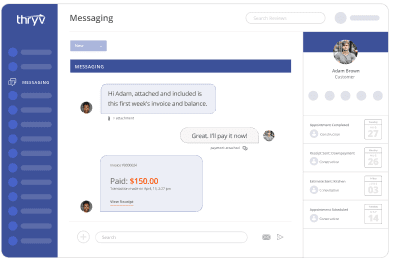
Customers don’t communicate through just one channel, and your inbox shouldn’t either. A unified inbox brings together reviews, text messages, website chat, Facebook messages, and other conversations into a single workspace, eliminating the need to switch between platforms constantly.
The best customer service automation tools can automatically route messages by urgency or topic, provide editable reply suggestions for common questions, and track response times across every channel. That means fewer missed messages and a more consistent customer experience.
Workflow & Follow-Up Automation
Customer service doesn’t end when you hit “Reply.” The strongest AI customer service automation platforms automatically move customers to the next step, whether that’s sending a follow-up message, requesting another review, reminding them to schedule their next service, or asking for a referral.
Look for tools that automatically tag customers by service type or outcome, trigger personalized follow-up campaigns, and sync every interaction back to your CRM. When sales, marketing, and customer service all share the same customer history, it’s easier to build stronger relationships while reducing manual work.
Let AI Draft Your Review Replies
Thryv’s Reputation Management automatically drafts on-brand responses to every new review, so nothing sits unanswered.
A Rollout Plan for AI Customer Service Automation
You don’t need to automate every customer interaction on day one. The quickest way to see results is to start with AI review response, since it’s one of the most visible customer touchpoints and one of the easiest to automate.
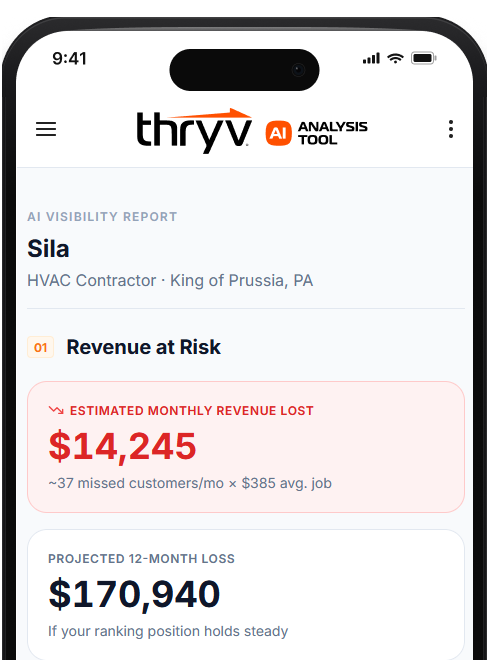
See how your business stacks up against competitors
Get a free AI-powered report showing where you rank online and what to fix first.
Week 1: Audit your communication channels.
Identify every place customer conversations happen, including Google reviews, text messages, website chat, social media DMs, phone calls, and email. This helps you spot where responses are getting delayed or missed.
Week 2: Turn on AI review response.
Enable AI-drafted review responses with human approval before anything is published. Set escalation rules so negative reviews or sensitive situations are routed to the right person instead of being handled automatically.
Week 3: Connect your customer conversations.
Bring reviews, texts, chat, and social messages into a unified inbox, then create simple follow-up automations like review requests, referral campaigns, or appointment reminders after conversations are resolved.
Week 4: Measure and expand.
Review key metrics like response time, response rate, and review trends. Once your review workflow is running smoothly, use those insights to decide which customer service tasks to automate next.
Starting small makes adoption easier. By automating review responses first, you can deliver faster customer service, build trust with prospective customers, and create a foundation for broader AI customer service automation as your business grows.
Bringing It All Together: One Platform to Automate Customer Service
Customer service automation works best when every customer interaction lives in one place. Instead of juggling separate tools for reviews, messaging, marketing, and follow-up, Thryv brings everything together in a single platform.
With Thryv, you can read and respond to reviews using AI-assisted drafts, manage texts, web chat, and social messages through a unified inbox, and automatically move customers into follow-up campaigns, appointment reminders, or referral requests, all without switching between multiple applications. Better yet, these conversations stay connected to your CRM, scheduling, invoicing, and marketing tools, giving you a complete view of every customer relationship.
Some platforms specialize in part of the customer journey. Podium and Birdeye offer strong review management and messaging capabilities but don’t provide the scheduling, invoicing, CRM, and website tools many small businesses need to run their operations. Housecall Pro and Jobber excel at managing jobs in the field, but marketing, listings management, and reputation management are either limited or handled through separate add-ons.
Thryv takes a different approach by combining operations, marketing, and AI customer service automation in one system. And you’re not left to figure it out on your own. With Thryv’s Growth Package and dedicated success services, you’ll have experts to help configure your AI review responses, automate customer communication, and get the most value from the platform, so you can spend less time managing software and more time serving customers.
Automate the Routine, Strengthen the Relationship
Customer service automation isn’t about removing the human element from customer interactions. It’s about giving small businesses more time to focus on the conversations, decisions, and relationships that benefit most from a personal touch.
Starting with AI review response can help your business acknowledge feedback faster, maintain a consistent presence across review platforms, and build trust with both existing and prospective customers. From there, you can expand automation into messaging, follow-up, appointment reminders, and other parts of the customer journey.
The key is to start with the customer interactions that create the most repetitive work, measure the impact, and build from there. With the right AI customer service automation tools, you can spend less time managing routine tasks and more time delivering the service that keeps customers coming back.
FAQs About Customer Service Automation
A: AI review response tools analyze a customer’s review, including its star rating, sentiment, and key details, then generate a personalized draft that matches your business’s tone. Most AI customer service automation platforms let you review, edit, or approve the response before it’s published, while flagging sensitive reviews for human attention.
A: Look for AI customer service automation features that save time across multiple customer touchpoints, not just reviews. The most valuable platforms include AI-assisted review responses, a unified inbox for messages across channels, workflow automation, CRM integration, and human approval options for sensitive interactions.
A: The best customer service automation software depends on your business’s needs. If you’re looking for a single platform that combines AI review response, messaging, CRM, scheduling, invoicing, and marketing tools, Thryv helps small businesses manage the entire customer journey instead of relying on multiple disconnected apps.
A: For most small businesses, yes. Customer service automation helps owners respond faster, reduce repetitive work, and create a more consistent customer experience without hiring additional staff. Starting with AI review response is often the quickest way to improve response times, build trust, and free up time for higher-value work.
Get Found, Answered, and Booked — All From One Platform
See how Thryv unifies AI review response, messaging, and follow-up in a live walkthrough built for small and local service businesses.