

Over the past few years, video has become one of the most effective ways for businesses to connect with customers online. Whether it’s a quick social media clip, a behind-the-scenes look at your business, or a short demonstration of a service, video helps people understand what you offer faster than text or photos alone.
In 2026, this trend is only accelerating. Social platforms increasingly prioritize video in their feeds, meaning posts that include video are more likely to be shown to potential customers. As a result, video marketing for small businesses is becoming a key part of a strong online presence.
Video marketing simply means using videos to promote your business, explain products or services, answer customer questions, or showcase your brand personality. Unlike traditional advertising, these videos are often short, informal, and designed to educate or entertain viewers while introducing them to your business.
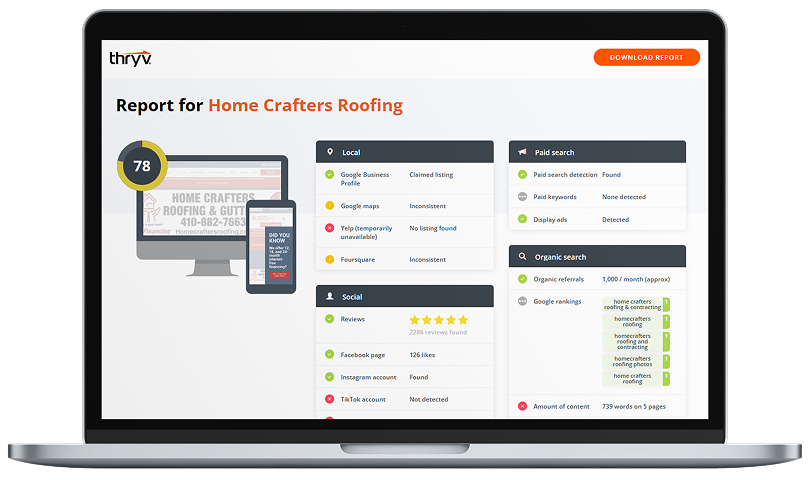
Market and Grow Your Business More Effectively With Thryv Marketing Center
Thryv Marketing Center helps you attract new customers to your business and shows you which marketing strategies work best for your customers so you don’t waste time and money on the wrong tactics.

The Power of Short-Form Video
One major reason video is growing so quickly is the rise of short-form video marketing. Short-form videos are brief clips – often under a minute – that are designed to grab attention quickly. Platforms like Instagram Reels, TikTok, and YouTube Shorts have made these fast, easy-to-watch videos extremely popular with audiences.
For small business owners, video offers several practical advantages:
- Customers can quickly understand what you offer
- Businesses can show personality and expertise
- Social platforms often prioritize video content in their algorithms
However, creating videos consistently can feel overwhelming for business owners who are already managing many tasks. The key is developing a simple social media video strategy, which means planning when and where you post video content so it supports your overall marketing goals.
As video engagement trends in 2026 continue to favor video-first content, small businesses that incorporate video into their social media strategy are more likely to capture attention, build trust, and convert viewers into customers.
Benefits of Video Marketing for Small Businesses
1. Short-form video increases engagement and reach across platforms.
2. Video builds trust faster than static posts.
3. Repurpose one video into multiple content pieces.
4. Video helps explain services and products clearly.
5. Video helps businesses learn what content attracts customers.
6. Video content can be scheduled to maintain consistency.
1. Short-form video increases engagement and reach across platforms.
Short-form video refers to short clips, usually under a minute, that are designed to grab attention quickly. These videos are popular on platforms like Instagram, TikTok, Facebook, and YouTube.
One reason short-form video marketing works so well is that people watch quick, easy-to-understand content while scrolling through social media. Because viewers are more likely to watch these videos, social media platforms often show them to a wider audience.
For small businesses, short videos can help reach potential customers who may not already follow your business.
Examples of short-form video content include:
- Quick service demonstrations
- Before-and-after transformations
- Short tips or advice related to your industry
- Behind-the-scenes clips of daily operations
These types of videos are easy to create and can significantly increase engagement, which refers to actions people take on your content, such as likes, comments, shares, or saves.
2. Video builds trust faster than static posts.
Customers often feel more confident about a business when they can see the people behind it. Video allows business owners to show personality, expertise, and authenticity in a way that photos and written posts cannot.
For example, a short video explaining a service, answering a common question, or introducing team members can help customers feel more comfortable reaching out.
This type of content helps humanize your brand and builds credibility over time. When viewers repeatedly see helpful or informative videos from a business, they begin to see that business as knowledgeable and trustworthy.
Another benefit is that video often encourages conversation. Customers may leave questions or comments on a video post, creating an opportunity for businesses to respond directly. Tools like Thrvy that centralize communication can make this easier by allowing businesses to manage comments and engagement in a single inbox, ensuring no customer messages are missed.

Free Guide: How-to Guide: 4 Ways to Run an Efficient Small Business
Boost productivity and efficiency with four proven strategies that simplify operations and save valuable time.
Download
3. Repurpose one video into multiple content pieces.
Creating marketing content takes time, so getting the most value out of each piece is important. One of the advantages of video is that a single recording can be turned into several different types of content.
This process is called repurposing content, which means using the same material in multiple formats.
For example, one longer video can be turned into:
- Several short clips for social media
- A quote graphic using a key statement from the video
- A written post summarizing the main points
- A short educational video series
Repurposing video content helps businesses maintain a steady posting schedule without constantly creating brand-new material.
4. Video helps explain services and products clearly.
Some services or products are easier to understand when customers can see them in action. Video allows businesses to demonstrate how something works rather than simply describe it.
For example, a service-based business might show:
- How a repair process works
- What happens during an appointment
- The results of a completed project
This type of visual explanation helps potential customers quickly understand the value of a service, making them more confident about contacting the business. It also reduces confusion and answers common questions before customers even ask them.

5. Video helps businesses learn what content attracts customers.
Posting video regularly can also help businesses learn what types of content attract the most interest. Some videos may generate more comments, shares, or inquiries than others. Tracking these patterns helps businesses understand which topics resonate with their audience.
For example, some videos may perform well because they:
- Answer common customer questions
- Show real results from services
- Share helpful tips related to the business’s expertise
Analyzing performance data helps businesses refine their small business social media strategy over time. Tools that provide performance insights, such as Thryv, allow owners to track which content types drive the most inquiries, helping them focus on the videos most likely to generate new customers.
6. Video content can be scheduled to maintain consistency.
Consistency is one of the biggest challenges for small business marketing. Posting irregularly can make it harder for businesses to stay visible on social media. Planning video content can help solve this problem. Instead of posting manually every day, businesses can create multiple videos at once and schedule them for publication throughout the week or month.
This approach allows business owners to use a tool like Thryv to schedule video content across multiple social platforms at once, ensuring their content reaches customers consistently without requiring daily effort. Maintaining a steady flow of video content helps businesses stay visible online and reinforces brand recognition over time.
Video is Becoming a Core Part of Small Business Marketing
Video is no longer just an optional addition to a marketing plan. As social platforms continue prioritizing video content, it has become one of the most effective ways for small businesses to reach new customers and stay visible online.
Ultimately, video gives small businesses a powerful way to communicate clearly, build trust with potential customers, and stay visible online. Businesses that begin sharing video consistently now will be better positioned to grow their audience and strengthen their online presence in the years ahead.
The Guide to Running an Efficient Small Business
Boost productivity and cut time-wasting tasks with expert tips in this free guide.
FAQ
Q: Why is video important for marketing?
A: Video is important because it helps businesses communicate information quickly and clearly. Customers can see products, services, and the people behind a business, which makes the experience more engaging than text or images alone. Video also performs well on social media platforms, making it easier for businesses to reach new audiences and capture attention.
Q: Does short-form video increase engagement?
A: Yes, short-form video often increases engagement because it is quick and easy to watch. These short clips are designed to grab attention while people scroll through social media feeds. Because viewers are more likely to watch them all the way through, platforms often show them to more users, which can increase likes, comments, shares, and overall reach.
Q: How can small businesses use video marketing?
A: Small businesses can use video marketing in several practical ways. They might create quick demonstrations of their services, answer common customer questions, share industry-related tips, or show behind-the-scenes moments from daily operations. Even simple videos recorded on a smartphone can help introduce the business and build stronger connections with potential customers.
Q: What type of video performs best on social media?
A: Videos that are short, clear, and informative often perform best on social media. Content that answers customer questions, demonstrates services, or shows real results tends to attract the most interest. Authentic videos that highlight the people behind a business can also perform well because they help viewers feel more connected to the brand.
Q: How do I repurpose video content?
A: Repurposing video content means using one video in several different ways. For example, a longer video can be edited into multiple short clips for social media. A key tip from the video can be turned into a written post or graphic, and important moments can be shared as short highlights. Repurposing helps businesses create more content without needing to record new videos every time.