 Simplifying your business.

 One software for all of your locations.

 Earn cash by referring businesses to us.

Dreaming of turning your outdoor skills into a thriving business? You’re in the right place. Many people want to know how to start a landscaping business, and the good news is, with the right plan, it’s easier than you might think.
Landscaping services are always in demand, and whether you specialize in lawn care, garden design, or full-scale outdoor transformations, there’s plenty of opportunity to grow a successful landscaping business.
But it takes more than a few tools and some word-of-mouth to build a lasting business. You’ll need to plan ahead, get organized, and focus on delivering professional results that keep customers coming back.
Not sure where to start? We’ve got you covered. Follow these 8 straightforward steps to get your landscaping business off the ground, generate landscaping leads, and set yourself up for long-term success.
1. Get clear on your landscaping services
The first step in building a successful landscaping business is deciding exactly what you want to offer.
Landscaping services can cover a wide range of projects, from simple lawn care to complex outdoor renovations. Taking the time to define your services helps you market your business effectively and ensures you only take on work you’re prepared to handle.
Some common landscaping services include:
- Basic maintenance: mowing, edging, trimming, leaf removal, seasonal yard cleanup
- Design and installation: planting flower beds, trees, shrubs, sod installation, and creating custom garden spaces
- Hardscaping: adding patios, walkways, retaining walls, fences, and other custom-built features to enhance outdoor spaces
- Irrigation and drainage: installing or maintaining sprinkler systems, drainage solutions, or rainwater management systems
If you’re just starting out, it’s smart to focus on the services you feel confident offering. As your skills and customer base grow, you can gradually expand your services to take on more complex or higher-paying projects.
2. Write a simple business plan
Before you jump into your first project, take time to create a business plan for your landscaping business. It doesn’t have to be several pages long or filled with technical jargon, but having a written plan keeps you focused, organized, and prepared for the road ahead.
Here are some key points to include in your landscaping business plan:
- Your services: Include the specific landscaping services you’ll offer and explain how they provide value to your customers. This shows that you’ve thought through how to meet local demand.
- Your pricing strategy: Estimate your pricing for different services based on your costs, desired profit margins, and market rates in your area.
- Your target customers: Identify who you plan to serve. Understanding your ideal customers helps you target your marketing effectively.
- Your startup costs and expected expenses: Make a list of your initial investment needs, such as equipment, supplies, landscaping insurance, and marketing expenses. Include ongoing costs like fuel, maintenance, and administrative fees.
- Your marketing plan: Outline how you plan to promote your services and generate landscaping leads, whether through online marketing, referrals, or local advertising.
- Your financial goals: Set realistic revenue targets for your first year and beyond. Define success for your business and create action steps to help you reach your goals.
A clear business plan keeps you on track, helps you avoid costly surprises, and makes it easier to secure financing or partnerships when your landscaping business is ready to grow.
3. Explore financing options
Starting a landscaping business comes with some upfront costs, but the right financing can help you launch your business without draining your personal savings. Whether you’re paying for equipment, marketing, or other essentials, securing funding gives you room to invest in your business the right way from day one.
Here are some common ways to finance your business:
- Personal savings: Many new business owners use personal savings to cover startup expenses. If you have money set aside, this can be a fast, interest-free way to get your landscaping business off the ground.
- Small business loans: Traditional loans from banks or credit unions can provide the capital you need to purchase equipment, cover operating expenses, or invest in marketing. Check with local lenders or explore government-backed loans through the Small Business Administration (SBA).
- Lines of credit: A line of credit offers flexible access to funds as needed. This can be helpful for managing cash flow, covering seasonal expenses, or handling unexpected costs.
- Equipment financing: Landscaping requires reliable equipment, which can be a significant investment. Equipment financing lets you purchase or lease tools and machinery with manageable payments over time.
In addition to these options, explore local programs, grants, or community lenders that support small businesses in your area. Many cities or counties offer resources specifically for entrepreneurs, including lower-interest loans, startup workshops, and networking opportunities.
4. Build your brand
Branding is about more than just a logo — it’s how your landscaping business makes a first impression and stays top of mind with customers. In a competitive market, strong branding helps you stand out, builds trust, and shows that you’re a reliable, professional choice for landscaping services.
Start building your brand with these key elements:
- A memorable business name: Choose a name that’s easy to say, easy to spell, and reflects the services you offer. A clear, professional name makes it easier for customers to remember and recommend your business.
- A professional logo and color scheme: Your logo is often the first thing people notice. Invest in a clean, modern design that looks good on business cards, uniforms, vehicles, and your website.
- Branded uniforms, truck decals, and signage: Every time you show up at a job site, you’re marketing your landscaping business. Wearing branded uniforms and adding decals to your vehicles makes your business look established and trustworthy. Yard signs at completed projects can also generate valuable landscaping leads.
- A consistent message: Think about what makes your business different. Maybe it’s your attention to detail, fast turnaround times, eco-friendly practices, or years of experience. Communicate these strengths consistently across your website, social media, and customer conversations.
Consistent colors and fonts help create a polished, recognizable image.
Branding isn’t a one-time task — it’s how you present your business every day, and it plays a big role in helping you grow your reputation and customer base.
5. Get your business legal and protected
Before your landscaping business takes on customers, it’s important to handle the legal and insurance requirements that keep you protected and credible. Skipping these steps can lead to fines, lost jobs, or liability headaches down the road.
Here’s how to get your business set up the right way:
- Register your business: Start by choosing a legal structure, such as a sole proprietorship, LLC, or corporation. Register your business with your state and local agencies to ensure you’re operating legally and can open a business bank account.
- Secure the proper licenses and permits: Most areas require specific licenses to run a landscaping business, especially if you plan to handle pesticides, irrigation, or tree work. Requirements vary by city and state, so check with your local government to find out what you need. Having the right licenses shows customers you’re a legitimate, professional operation.
- Invest in landscaping insurance: The right insurance policy protects your business, your equipment, and your customers. At a minimum, most landscaping businesses need:
- General liability insurance to cover property damage or injuries
- Equipment insurance to protect your tools, vehicles, and machinery
- Workers’ compensation if you plan to hire employees
Insurance helps safeguard your business from costly surprises, like accidental damage to a customer’s property or equipment theft. It also builds confidence with customers, as many will only hire insured contractors.
6. Set competitive landscaping pricing
One of the most important steps in building a successful landscaping business is getting your pricing right. If your rates are too low, you risk working long hours without making a profit. Too high, and you may lose out on jobs to competitors. Finding the balance ensures your business stays competitive and profitable.
Start by researching landscaping pricing in your area. Look at what other businesses charge for similar services, paying attention to the size and scope of their work. Rates often vary based on location, project complexity, and customer expectations.
When setting your prices, factor in:
- Labor and material costs: Include wages for yourself and any employees, along with the cost of supplies like plants, mulch, gravel, or soil.
- Travel and equipment expenses: Consider fuel costs, wear and tear on vehicles, and maintenance for your tools and machinery.
- Time to complete the work: Estimate how long each job will take, including setup, cleanup, and travel time. Be realistic about unexpected delays or additional requests.
- Desired profit margins: Your pricing should cover expenses and generate a profit that supports your business growth and financial goals.
Many successful business owners use a landscaping calculator to help estimate project costs quickly and accurately. These tools simplify pricing by allowing you to adjust for labor hours, material costs, and project size, helping you deliver professional quotes to your customers with confidence.
7. Create a marketing plan that gets results
If you want to know how to start a landscaping business that grows steadily year-round, the secret is having a strong marketing plan in place. Even the most skilled landscapers need to promote their services to stand out in a competitive market.
Here’s how to create a well-rounded marketing plan for your landscaping business:
- Website: Your website is often the first place potential customers look. Build a simple, mobile-friendly site that clearly lists your services, displays high-quality photos of your work, and makes it easy for customers to contact you for quotes or appointments.
- SEO (Search Engine Optimization): Use relevant keywords like landscaping business, landscaping services, and location-based terms so your business appears in local search results. Optimizing your website helps you show up when people search for landscapers in your area.
- Google Business Profile: Claim and optimize your Google Business Profile to help your business appear in map listings, local searches, and customer reviews. Include updated hours, service details, and photos to make your business easy to find.
- Social media: Platforms like Facebook, Instagram, and Nextdoor help you connect with local homeowners and showcase your work. Share project photos, seasonal tips, and positive customer reviews to build trust and stay visible in your community.
- Email and text campaigns: Keep your business top of mind with occasional emails or texts. Send appointment reminders, seasonal offers, or helpful lawn care tips to stay connected with current and potential customers.
- Offline marketing: Traditional marketing still works. Use yard signs at job sites, branded vehicle wraps, and local sponsorships to increase visibility and build recognition for your landscaping business around town.
- Promotions and discounts: Offering limited-time deals or referral rewards encourages customers to choose your services and recommend you to others. Simple promotions can help generate new leads quickly.
- Content marketing: Position yourself as a trusted expert by creating helpful blogs, short videos, or social media posts that answer common landscaping questions. Educational content builds credibility and attracts new customers searching for reliable advice.
8. Streamline your operations
As your landscaping business grows, you’ll quickly realize that behind-the-scenes tasks can eat up valuable time. From scheduling jobs to managing customer information, staying organized is key to keeping your business running smoothly and focusing on what you do best — serving your customers.
The good news is, there are plenty of digital landscaping tools you can use to streamline your operations, save time, and reduce the risk of mistakes. The best software will help you with:
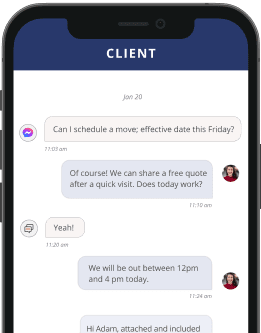
- Automating appointment scheduling: Let customers book services online 24/7, without the back-and-forth phone calls. Automated scheduling can also send reminders to reduce no-shows and last-minute cancellations.
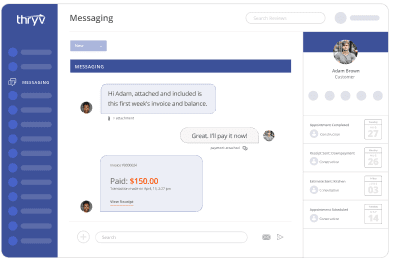
- Using digital estimates and invoices: Provide professional estimates and invoices by email or text. Digital documents save time, reduce errors, and make your landscaping business look more polished and trustworthy.
- Accepting online payments: Make it easy for customers to pay with credit cards, debit cards, or digital wallets. Online payments speed up cash flow and give your customers more convenient options.
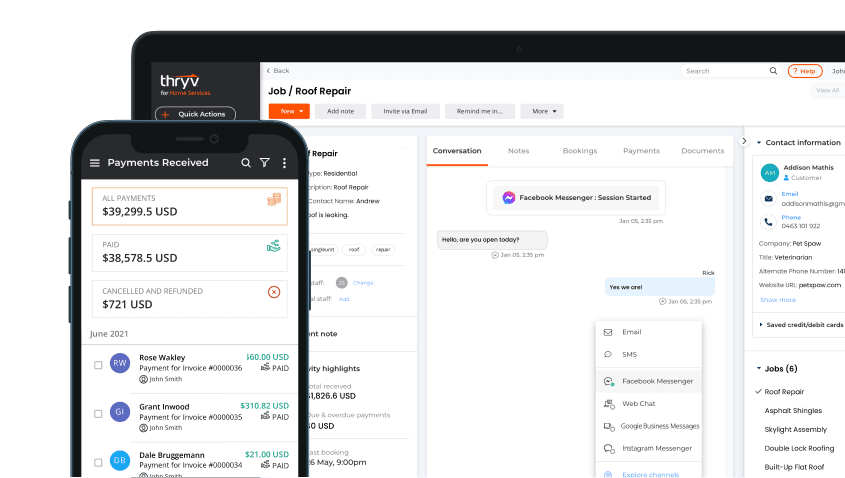
- Managing your calendar and customer communication in one place: Keeping your schedule, messages, and customer details organized in a single system helps you stay on top of jobs and prevents important details from slipping through the cracks.
- Centralizing customer records: Store all customer contact information, job history, service preferences, and notes in one secure location, so your team always has access to what they need.
- Automating review requests: After completing a job, automatically ask satisfied customers to leave a review online. Positive reviews build your reputation and help generate more leads.
- Tracking project progress digitally: Use project management tools to assign tasks, monitor job status, and share updates with your team. This helps ensure every job runs smoothly from start to finish.
- Digitizing document storage: Keep contracts, forms, and service agreements organized and easy to access without digging through paperwork.
The right tools and landscaping software make it simple to manage your business efficiently. By automating repetitive tasks and keeping information organized, you’ll free up more time to focus on delivering excellent service and growing your landscaping business.
How Thryv helps landscaping businesses market, sell, and grow
Thryv is an industry-leading software solution built specifically to help small businesses — including landscapers — save time, stay organized, and grow efficiently. Thryv combines marketing, sales, and customer management tools into one easy-to-use system, so you can run your landscaping business from anywhere — whether you’re in the office, at a job site, or on the go.
Thryv can help you:
- Market to prospects and customers: Reach more potential customers, keep your business visible online, and promote your services without spending hours every week on marketing tasks.
- Sell more services: Streamline your sales process to win more jobs, manage your pipeline, and deliver a better experience for your customers.
- Grow your company: Simplify back-office tasks, improve cash flow, and use real-time insights to scale your landscaping business efficiently.
Why landscaping businesses choose Thryv
Here’s why landscapers across the country rely on Thryv.
- A comprehensive solution: Thryv combines marketing, customer management, scheduling, estimates, invoices, payments, and more in one platform. You don’t have to juggle multiple apps or sign in to multiple systems to keep your landscaping business organized.
- Access anywhere: Whether you’re on a job site, meeting with a customer, or working from home, Thryv’s mobile app lets you manage your business from your phone, tablet, or computer. Stay connected and in control, no matter where your day takes you.
- Excellent support: With Thryv, you’re never on your own. Get access to expert support, helpful resources, and personalized guidance whenever you need it. Whether you’re setting up your system or troubleshooting a task, Thryv’s team is ready to help.
- Integration and automation: Thryv integrates with many of the software tools you already use, and it seamlessly connects your marketing, scheduling, customer communication, and payments. Routine tasks are automated, helping you save time, reduce errors, and focus on what matters most — serving your customers and growing your business.