Simplifying your business.

 One software for all of your locations.

 Earn cash by referring businesses to us.



Spreadsheets are often a small business’s first organizational tool. They’re easy to use, flexible, and feel manageable when your customer list is short and your marketing efforts are simple. But as your business grows and your online marketing starts driving more leads, spreadsheets can quietly become a roadblock instead of a solution.
If you’re investing in visibility, lead generation, and customer engagement, your systems should support that momentum — not slow it down. Here are five clear signs your business has outgrown spreadsheets and why moving to a small business CRM can unlock your next stage of growth.
How to Know When It’s Time to Move Beyond Spreadsheets
1. Customer Data Is Scattered or Duplicated
2. Your Team Can’t Collaborate Efficiently
3. Follow-Ups Are Manual and Easy to Miss
4. You Lack Visibility Into the Customer Journey
5. Spreadsheets Can’t Support Growth or Automation
1. Customer Data Is Scattered or Duplicated
As leads come in from your website, social media, email campaigns, and online listings, spreadsheets struggle to keep customer information organized. Multiple versions of the same file, duplicate entries, and outdated contact details create confusion across teams.
Poor customer data management leads to wasted time, missed opportunities, and inconsistent communication. Instead of focusing on building relationships, teams are stuck verifying which information is correct.
A CRM for small businesses centralizes customer data, communications, and activity history in one place. Everyone works from the same accurate record, creating a smoother experience for both your team and your customers.
Build Stronger Relationships With Your Customers Using Our Mobile CRM Software for Small Businesses
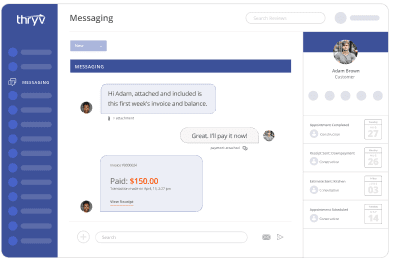
Our robust CRM software helps you build better relationships with your existing customers and nurture new leads. You can also view and manage all your communications and interactions from anywhere, including on your mobile device or desktop computer.

2. Your Team Can’t Collaborate Efficiently
Static spreadsheets weren’t built for growing teams. Even shared files can cause issues — overwritten data, unclear ownership, and limited visibility into who’s responsible for what.
When collaboration breaks down, marketing and sales efforts suffer. Leads aren’t followed up on quickly, tasks fall through the cracks, and accountability becomes harder to manage.
CRMs replace fragmented files with a centralized system where team members can collaborate in real time. Tasks, notes, and customer interactions are visible to everyone, helping teams move faster and stay aligned as your business scales.
3. Follow-Ups Are Manual and Easy to Miss
If your follow-up process relies on sorting rows, color-coding cells, or manually setting reminders, it’s only a matter of time before something gets missed. Slow responses are one of the fastest ways to lose warm leads — especially in competitive online markets.
When you can’t automate follow-ups, marketing momentum fades and revenue slips through the cracks. Customers expect timely responses, not delays caused by manual tracking.
With centralized data, automated reminders and workflows replace spreadsheet-based processes. Follow-ups, appointments, and next steps are triggered automatically, helping small businesses respond faster and convert more leads without adding more work.

Free Guide: How-to Guide: Automate Your Small Business
See how automation can simplify your day, eliminate manual work, and create more time for what matters most.
Download
4. You Lack Visibility Into the Customer Journey
Spreadsheets show isolated data points, but they don’t reveal how customers move from first contact to repeat business. When interactions live across multiple files and tools, it’s hard to see what’s working — and what isn’t.
Without visibility, optimizing your marketing strategy becomes guesswork. You may continue investing in campaigns that don’t convert while missing opportunities to re-engage interested prospects.
A small business CRM connects marketing, communications, and customer history into a single timeline. It gives businesses a clear view of the entire customer journey, making it easier to refine messaging, improve timing, and drive better results.
5. Spreadsheets Can’t Support Growth or Automation
One of the clearest signs you’ve outgrown spreadsheets is when they can’t keep up with your volume of leads, customers, or campaigns. As files grow, errors increase, maintenance becomes time-consuming, and scalability disappears.
This is where the comparison becomes clear. Spreadsheets require constant manual input, while modern small business automation tools are built to scale. A CRM doesn’t just store data — it actively helps your business operate more efficiently.
Thryv’s CRM brings everything together by combining customer data, communications, and automation in one platform. Instead of juggling spreadsheets and disconnected tools, small businesses gain a system designed to support long-term growth.
Moving Beyond Spreadsheets
Outgrowing spreadsheets isn’t a problem — it’s a milestone. It means your marketing is working, your customer base is expanding, and your business is ready for smarter systems.
By transitioning to a CRM for small businesses like Thryv, you can streamline operations, automate follow-ups, and turn online marketing efforts into measurable growth — without adding complexity to your day.
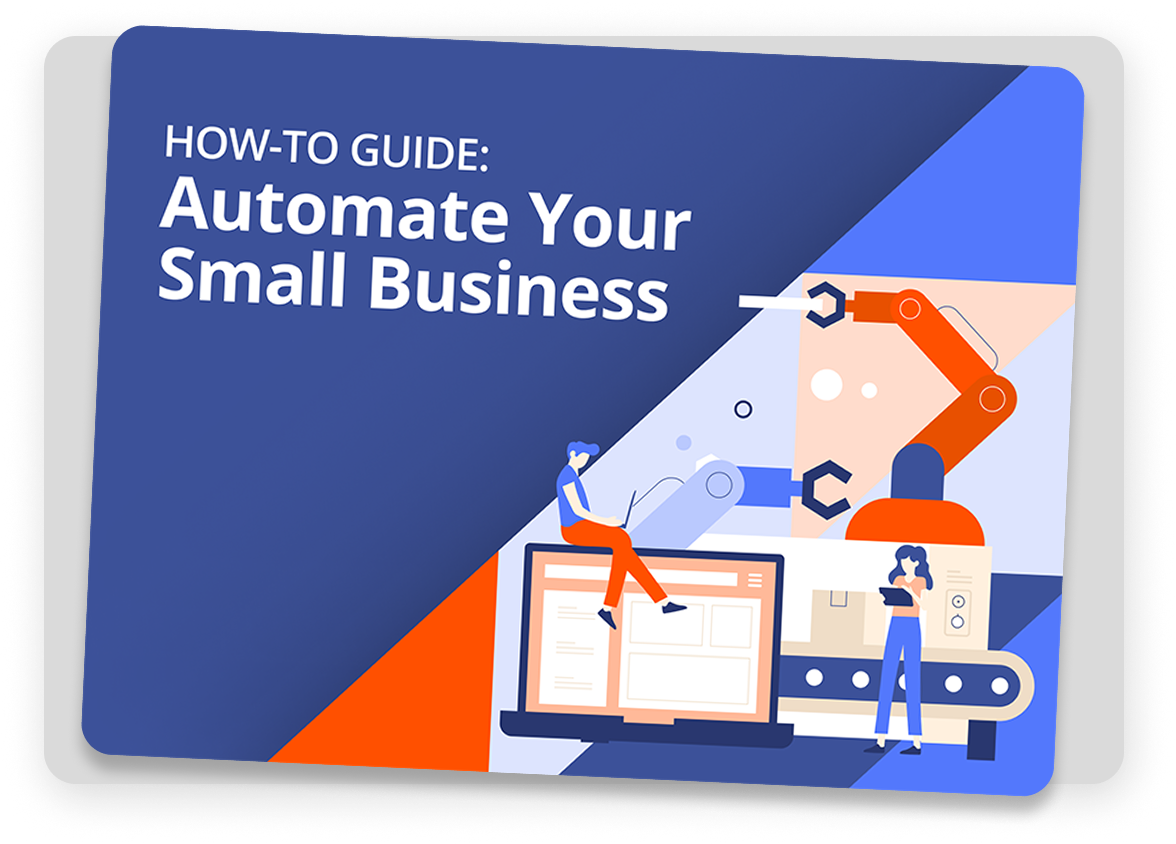
How-to Guide:
Automate Your Small
Business
Learn how to streamline your operations, boost productivity, set your business up for growth, and more in this free resource.
FAQ
Q: When should a small business stop using spreadsheets to manage customers?
A: A small business should move beyond spreadsheets when customer data becomes scattered, duplicated, or difficult to update across teams. If follow-ups are missed, collaboration slows down, or marketing leads aren’t tracked effectively, it’s a clear sign spreadsheets are limiting growth.
Q: Why are spreadsheets inefficient for growing small businesses?
A: Spreadsheets are inefficient for growing small businesses because they rely on manual updates, lack automation, and don’t provide real-time visibility into customer interactions. As lead volume increases, spreadsheets become error-prone and time-consuming to manage.
Q: What are the benefits of using a CRM instead of spreadsheets?
A: A CRM centralizes customer data, automates follow-ups, improves team collaboration, and provides visibility into the entire customer journey. Unlike spreadsheets, a CRM actively supports marketing, sales, and customer engagement as a business scales.
Q: Can spreadsheets handle lead tracking and follow-ups?
A: Spreadsheets can track basic lead information, but they can’t reliably handle timely follow-ups or automation. Manual reminders and data sorting often lead to missed opportunities, while a CRM ensures consistent and automated lead engagement.
Q: How does a CRM help small businesses grow faster?
A: A CRM helps small businesses grow faster by automating repetitive tasks, organizing customer data in one system, and improving response times. With better visibility and automation, businesses can convert more leads, strengthen relationships, and scale without added complexity.