

Running a small business means wearing a lot of hats. On any given day, you might be answering customer calls, responding to emails, posting on social media, and trying to follow up with new leads, all while actually doing the work your business is known for.
So when new leads come in, one big question always pops up:
Which ones should you follow up with first?
Not every lead is ready to buy. Some people are just browsing, while others are actively looking for a business like yours right now. Figuring out the difference can take time and when you’re busy, it’s easy for good opportunities to slip through the cracks.
That’s where AI lead scoring comes in.
Instead of manually reviewing every inquiry, AI can help you quickly understand which leads are most likely to become customers. For small businesses in 2026, that kind of insight isn’t just helpful, it’s becoming essential.
Let’s break down what AI lead scoring is and why it matters.
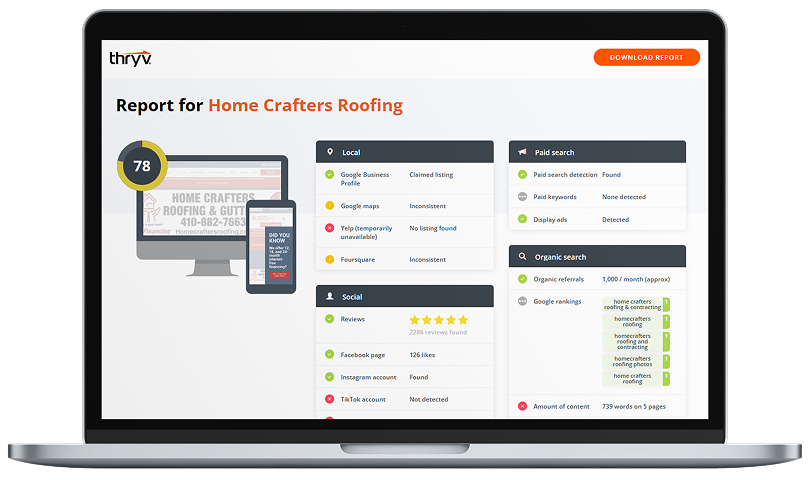
Market and Grow Your Business More Effectively With Thryv Marketing Center
Thryv Marketing Center helps you attract new customers to your business and shows you which marketing strategies work best for your customers so you don’t waste time and money on the wrong tactics.

What Is AI Lead Scoring?
AI lead scoring is a smarter way to prioritize potential customers.
It uses artificial intelligence to analyze incoming leads and determine how likely they are to convert into a paying customer. Instead of guessing or manually sorting through inquiries, AI reviews patterns in how people interact with your business.
This might include:
- How someone found your business
- Whether they called, filled out a form, or started a chat
- What questions they asked
- How quickly they responded to follow-up messages
Based on these signals, AI can highlight which leads are ready for a conversation now and which ones may need a little more nurturing first.
For busy small business owners, that insight can make lead management much easier.
The Signals AI Uses to Score Leads
One of the biggest advantages of AI lead scoring is that it looks at multiple signals at once to understand customer intent.
Here are a few common examples.
Behavioral Signals
Behavioral signals track how people interact with your business online.
For example, someone who browses your services page and then fills out a contact form is likely further along in their decision process than someone who only visits your homepage.
AI tools can recognize these behaviors and use them to help determine how serious a lead might be.
Engagement Patterns
Engagement tells you how interested someone is in your business.
Some common engagement signals include:
- Opening or responding to emails
- Clicking links
- Starting a live chat
- Replying to text messages
The more a lead interacts with your business, the stronger the signal that they’re interested in learning more.

Free Guide: How to Save Hours Each Week with AI
Master email marketing with tips to boost deliverability, engagement, and automation. Download your free playbook today!
Download
Readiness Indicators
Some interactions suggest a customer is close to making a decision.
For example, if someone asks about:
- Pricing
- Availability
- Scheduling
- Service details
Those questions often mean they’re moving toward a purchase. AI can identify these cues automatically, so you know which conversations deserve immediate attention.
Why Manual Lead Scoring Doesn’t Work for Busy Small Teams
Many small businesses still manage leads the old-fashioned way: by manually reviewing messages, emails, and form submissions.
While that might work when leads are limited, it quickly becomes difficult as your business grows.
Manual lead scoring can lead to common challenges like:
- Slow responses: It takes time to review every new inquiry.
- Missed opportunities: A good lead might get buried under other tasks.
- Inconsistent follow-up: Some prospects hear back quickly, while others wait longer than they should.
- Extra admin work: Organizing and tagging leads takes time away from running the business.
And in today’s competitive market, speed matters. Many customers contact multiple businesses at once, and the first one to respond often wins the job.
AI lead scoring helps small teams keep up by automatically identifying the leads most likely to convert.
AI Doesn’t Replace Relationships — It Helps You Focus on Them
When people hear “AI,” they sometimes worry it means replacing human interaction. But in reality, the goal of AI is the opposite. AI works best when it supports the relationships you already build with customers.
It can handle repetitive tasks like:
- Reviewing incoming conversations
- Summarizing lead inquiries
- Identifying important details
- Highlighting high-intent prospects
That way, instead of spending time sorting through messages, you can focus on what really matters — connecting with customers and closing deals.
Understanding Leads Faster with AI Tools
Even when leads come in regularly, figuring out what each person needs can still take time.
AI tools can analyze incoming conversations — whether they come from a call, form, or chat — and quickly highlight the most important information.
Instead of reading through long messages, you get a clear snapshot of things like:
- A summary of the customer’s request
- Key details from the conversation
- Signals that suggest how ready they are to move forward
For busy small business owners, this kind of insight helps you understand each lead faster and respond more confidently.
Turning AI Lead Scoring Into Faster Follow-Up
Knowing which leads are most promising is helpful — but the real value comes from acting on that information quickly.
When AI lead scoring is combined with automated follow-up tools, businesses can respond to leads faster and keep conversations moving forward.
This kind of system helps businesses:
- Respond quickly to new inquiries
- Send personalized follow-up messages
- Keep leads engaged during the decision process
And most importantly, it ensures no opportunity slips through the cracks.
Why AI Lead Scoring Matters More Than Ever
Customer expectations are changing fast. Today’s buyers expect quick responses and personalized communication when they reach out to a business.
AI lead scoring helps small businesses keep up by making it easier to:
- Identify high-value leads
- Respond faster to inquiries
- Keep follow-up consistent
- Spend more time building relationships
And when your business can respond quickly and confidently, you’re much more likely to turn interest into real customers.
The Future of Lead Management for Small Businesses
Managing leads doesn’t have to mean sorting through messages or juggling multiple systems.
AI-powered tools are making it easier for businesses to capture leads, understand what they need, and respond quickly — without adding extra work to the day.
As these technologies continue to evolve, small businesses will have more ways to automatically analyze lead conversations, identify high-intent prospects, and follow up faster than ever before.
For business owners looking to grow, that means spending less time managing leads and more time serving customers.

Free Guide: How to Save Hours Each Week with AI
Master email marketing with tips to boost deliverability, engagement, and automation. Download your free playbook today!
FAQs
What is AI lead scoring?
AI lead scoring uses artificial intelligence to evaluate potential customers and rank them based on how likely they are to convert. It analyzes behavioral signals, engagement data, and conversations to help businesses prioritize their most promising leads.
Why is AI lead scoring important for small businesses?
Small businesses often have limited time to review and prioritize leads. AI lead scoring helps automate this process so teams can quickly identify high-intent prospects and respond faster.
Does AI lead scoring replace human sales relationships?
Not at all. AI lead scoring simply handles time-consuming tasks like analyzing conversations and prioritizing leads. This allows business owners to focus more on building relationships with customers.