

Seasonal demand affects almost every type of small business. Landscapers get busier in the spring, HVAC companies see spikes during heat waves, retail stores experience holiday rushes, and service providers often see surges in bookings during certain months. The challenge is that these busy periods can feel unpredictable without the right data.
Many small business owners rely on intuition or experience to guess when demand will increase. While experience is helpful, it doesn’t always capture the full picture. Weather changes, economic conditions, customer behavior, and local trends can all influence when people start searching for services or booking appointments.
This is where AI for seasonal demand forecasting becomes valuable. In simple terms, seasonal demand forecasting means using historical data to predict when customer demand will rise or fall throughout the year. Artificial intelligence can review large volumes of historical data (such as bookings, revenue, and customer activity) and identify patterns that humans might miss.
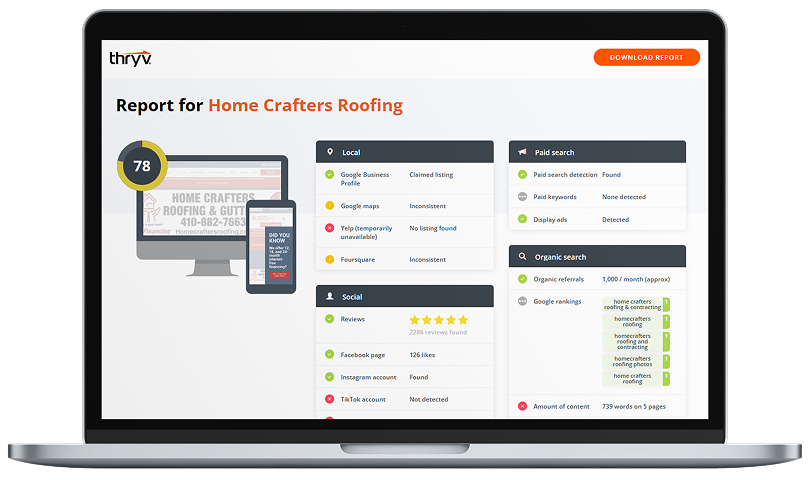
Market and Grow Your Business More Effectively With Thryv Marketing Center
Thryv Marketing Center helps you attract new customers to your business and shows you which marketing strategies work best for your customers so you don’t waste time and money on the wrong tactics.
For small businesses, this kind of insight can help answer important questions, such as:
- When should you increase marketing efforts?
- When should you schedule more staff?
- When should you launch promotions or special offers?
AI-powered tools can also help businesses predict seasonal demand more accurately, allowing them to plan marketing campaigns, staffing, and promotions rather than reacting at the last minute. The result is a more proactive seasonal marketing strategy, smoother operations during peak periods, and a better experience for customers who want quick service when demand is high.
How to Use AI for Seasonal Demand Forecasting
1. Analyze past booking trends to forecast busy periods.
2. Adjust marketing messaging based on demand patterns.
3. Automate promotional scheduling ahead of peak demand.
4. Track revenue trends throughout the year.
5. Prepare staffing and scheduling for high-demand periods.
6. Identify slow seasons and plan promotions strategically.
1. Analyze past booking trends to forecast busy periods.
One of the most effective ways to predict seasonal demand is by reviewing past customer bookings. Many small businesses already collect this information through appointment calendars, invoices, or point-of-sale systems.
AI-powered tools can scan this historical data and identify patterns such as:
- Months when bookings consistently increase
- Days of the week with higher demand
- Time periods when cancellations are more common
By recognizing these trends, businesses can better anticipate upcoming busy periods. For example, a salon might discover that appointment bookings increase dramatically before major holidays. A landscaping company may notice demand rising every March as homeowners prepare their yards for spring.
Small business reporting tools can help simplify this process. With platforms like Thryv, business owners can use reporting insights to spot seasonal revenue patterns, making it easier to connect booking activity with revenue changes throughout the year.
2. Adjust marketing messaging based on demand patterns.
Once you understand when demand typically rises or falls, the next step is adjusting your seasonal marketing strategy to match those patterns.
Marketing messaging refers to the language and promotions you use to communicate with customers. AI tools can help businesses identify when certain messages perform best based on past engagement data.
For example:
- A cleaning service might promote “spring cleaning” packages each March.
- An HVAC company may highlight air-conditioning maintenance before summer temperatures arrive.
- A retail store might emphasize gift promotions leading into holiday shopping periods.
AI can analyze customer engagement (such as email open rates, appointment requests, or promotion redemptions) to determine when these messages resonate most strongly. With this information, small businesses can align marketing campaigns with predicted increases in demand rather than running promotions randomly throughout the year.
3. Automate promotional scheduling ahead of peak demand.
Timing is critical when planning seasonal promotions. If promotions are launched too late, businesses may miss the opportunity to capture early demand. AI tools help businesses identify when demand typically begins to rise, allowing promotions to be scheduled in advance.
Automation makes this process even easier. Instead of manually launching every campaign, businesses can schedule promotions weeks or months in advance. For example, with Thryv, business owners can schedule campaigns in advance to align with predicted demand spikes, ensuring their marketing efforts reach customers before the busiest periods begin. This approach allows businesses to capture early bookings, generate steady demand leading into peak seasons, and reduce last-minute marketing pressure.

Free Guide: How-to Guide: 4 Ways to Run an Efficient Small Business
Boost productivity and efficiency with four proven strategies that simplify operations and save valuable time.
Download
4. Track revenue trends throughout the year.
Booking volume alone doesn’t always show the full picture of seasonal demand. Revenue trends can reveal additional patterns about how customers spend during different parts of the year.
AI can review revenue data over time and identify patterns such as:
- Months with higher average transaction values
- Periods when customers purchase premium services
- Seasonal shifts in product or service demand
This type of revenue trend analysis helps businesses understand not only when customers book services but also how their spending behavior changes throughout the year.
For example, a spa may find that customers book longer or more expensive treatments during the winter holiday season, while shorter services are more common in slower months. These insights allow business owners to adjust pricing, promotions, and service packages to match seasonal buying behavior.
5. Prepare staffing and scheduling for high-demand periods.
Seasonal demand forecasting isn’t just about marketing; it also helps businesses prepare operationally for busy periods. When AI predicts higher booking volume, businesses can plan staffing and scheduling accordingly. This reduces wait times, prevents employee burnout, and improves the customer experience.
For example, businesses can:
- Add additional staff shifts during busy months
- Extend operating hours temporarily
- Prepare additional inventory or supplies
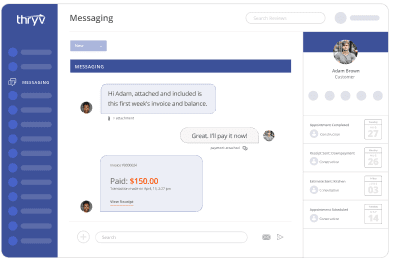
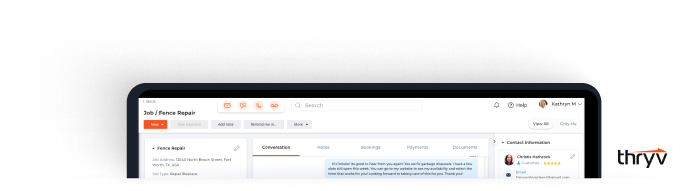
Tools like Thryv’s appointment-booking software help owners manage appointments and customer flow efficiently during high-volume periods, ensuring customers can still book services even when demand increases. Planning helps small businesses maintain service quality while handling higher customer volume.
Free Guide: The Guide to AI for Small Business
Explore real ways AI can help your small business save time, automate tasks, and drive faster, smarter growth.
Download
6. Identify slow seasons and plan promotions strategically.
Just as AI can predict busy seasons, it can also identify slower periods that might require extra marketing support. Many businesses experience natural slow seasons where customer demand dips. AI analysis can highlight these periods by reviewing long-term booking and revenue data. Once these patterns are identified, businesses can create targeted promotions to fill gaps in demand.
For example:
- A fitness studio might run discounted memberships during slower summer months.
- A tax preparation service may promote early-filing discounts before peak tax season.
- A restaurant might launch limited-time menu specials to attract customers during quieter weeks.
Using AI insights to plan these promotions helps businesses maintain steadier revenue throughout the year, rather than experiencing large seasonal swings.
Turn Seasonal Patterns Into Smarter Planning
Seasonal demand is a reality for many small businesses, but it doesn’t have to feel unpredictable. By using AI for seasonal demand forecasting, business owners can better understand when customers are most likely to book services, make purchases, or respond to promotions.
Ultimately, AI doesn’t replace business expertise; it strengthens it. When data insights and real-world experience work together, small businesses can build a more proactive seasonal marketing strategy, reduce last-minute scrambling, and create consistent growth throughout the year.
The Guide to Running an Efficient Small Business
Boost productivity and cut time-wasting tasks with expert tips in this free guide.
FAQ
Q: How can AI predict seasonal demand?
A: AI predicts seasonal demand by analyzing historical business data such as past bookings, revenue trends, and customer activity. It looks for patterns that repeat at certain times of the year, such as increased appointments before holidays or higher service requests during specific seasons. By identifying these patterns, AI tools can estimate when demand is likely to rise or fall.
Q: How do I forecast busy seasons for my business?
A: To forecast busy seasons, start by reviewing your historical data, including bookings, revenue, and customer inquiries across the past year or several years. This helps reveal recurring trends. Many small business platforms include reporting features that help owners spot seasonal revenue patterns, making it easier to identify when demand typically increases.
Q: What tools help analyze booking trends?
A: Tools that track appointments, customer activity, and revenue can help analyze booking trends. These often include calendars, scheduling software, and small business reporting tools that organize historical data into clear reports. When these tools use AI to automatically review trends, they can highlight seasonal patterns and help businesses better predict future demand.
Q: How should I prepare marketing for peak season?
A: Preparing marketing for peak season means launching campaigns before demand reaches its highest point. This may include promoting seasonal services, sending reminders to past customers, or offering limited-time deals. Businesses can schedule campaigns in advance to align with predicted demand spikes, ensuring promotions reach customers while they are actively searching for services.
Q: Can AI help plan seasonal promotions?
A: Yes, AI can help plan seasonal promotions by analyzing when customers are most likely to book services or respond to offers. By identifying these patterns, businesses can schedule promotions during the weeks leading up to peak demand. This helps generate early bookings and allows businesses to manage appointments and customer flow efficiently during high-volume periods.