
So you’re thinking about starting a plumbing business — great call. Whether you’re a seasoned pro or just ready to strike out on your own, running your own plumbing business can be rewarding, profitable, and surprisingly flexible. But like any small business, success doesn’t just happen on its own. You’ll need the right licenses, tools, and game plan to make it work.
This guide breaks down everything you need to know about how to start a plumbing business — from legal steps to marketing tips and the software that makes it all a lot easier.
Make sure you’re licensed and legally compliant
Before you install your first faucet or fix your first leak as a business owner, you’ve got to have your credentials in order. It’s not just about checking a box — getting the proper licensing proves you’re qualified, keeps you compliant with local regulations, and builds trust with your customers right from the start.
To legally operate a plumbing business, you’ll need both a valid plumbing license and (in most areas) a separate business license. Skipping this step can lead to fines, delays, and lost jobs, so it’s worth getting right the first time.
Here’s what that usually involves:
- Complete your training. Most states require aspiring plumbers to go through a state-approved apprenticeship, which combines classroom instruction with hands-on work experience. After that, you’ll typically need to pass an exam to earn your journeyman or master plumber license.
- Apply for your business license. Once you’ve got your plumbing credentials, you’ll likely need a separate plumbing business license from your city or state. This gives you the legal okay to operate under your business name, advertise your services, and collect payment for your work.
- Understand your local rules. Plumbing regulations vary a lot depending on where you’re located. Some states require continuing education or specialty certifications for certain types of plumbing work. Others may have zoning laws or insurance requirements tied to licensing. It’s always a good idea to check with your state licensing board or small business office so you know exactly what’s needed.
Need help navigating this step? Check out our guide on how to get a plumbing license to walk through the process and avoid common hiccups.
Build a business plan that fits your goals
When you’re starting a plumbing business, a solid business plan is more than just paperwork — it’s your personal game plan for how to succeed. It also shows lenders or potential partners that you’ve thought things through. The good news? Your business plan doesn’t have to be overly formal or full of jargon. It just needs to clearly outline how your plumbing business will operate, who you’ll serve, how much you expect to earn, and how you plan to stand out.
Here’s what to include:
- A description of your plumbing services. Will you focus on residential repairs, emergency calls, bathroom remodels, or water heater installs? Be specific. Listing your core services helps shape your pricing, tools, and marketing strategy.
- Startup costs and budget. From tools and vehicles to insurance and licensing fees, map out what you’ll need to get started — and how much it’ll cost.
- Target market. These are your ideal customers, whether they’re homeowners, property managers, or commercial clients.
- Revenue goals and pricing strategy. Set some income targets so you have a clear picture of what “success” looks like. Then, figure out how to price your services in a way that’s competitive and profitable — use our free calculator to help set competitive rates.
- Growth plan. What happens when business starts picking up? Will you hire help? Expand your services? A quick outline of how you plan to scale can help you prepare for the next phase of your business.
Register your business and get insured
Now that you have your plan and your plumbing license, it’s time to make your business official — legally and financially. This step sets up the foundation for everything that comes next, from opening a business bank account to landing your first paying customers.
Here’s your checklist for getting fully registered and protected:
- Pick a business name and legal structure. Start by choosing a name that reflects your services and is easy for customers to remember. Then, decide how you want to structure your business. Many small plumbing businesses opt for a limited liability company (LLC), which offers legal protection without too much red tape. Other options include sole proprietorships and S-corporations, depending on your tax preferences and long-term goals.
- Apply for an EIN. Once you’ve settled on your structure, you’ll need to apply for an Employer Identification Number (EIN) from the IRS. This acts like a Social Security number for your business — you’ll need it to open a business bank account, file taxes, and hire employees.
- Get insured — seriously. This one’s a must. Every licensed plumber should have insurance before taking on any jobs. At a minimum, you’ll need general liability coverage, which protects you if there’s accidental damage or injury on the job.
Getting the right insurance for plumbing isn’t just about protecting your business — it’s also about building trust with customers. Many homeowners and commercial clients won’t even consider hiring an uninsured plumber. Having coverage shows you’re responsible and professional.
Find your first customers
Now for the exciting part: landing your first job and getting your plumbing business on the map. When you’re just starting a plumbing business, your first few customers can help build momentum fast. Word of mouth, great service, and a few smart marketing moves can lead to repeat work and referrals that keep your schedule full.
Here’s how to start attracting customers, even if you’re working with a small budget:
- Claim your Google Business Profile. This is one of the easiest and most effective ways to show up when people search for plumbers in your area. Make sure your contact info, service area, hours, and website are all listed and accurate.
- Create a simple website. You don’t need a big budget or flashy design. Just build a mobile-friendly site that includes your services, contact form, customer reviews, and a clear call to action.
- Ask for reviews. Happy customers are your best marketing asset. Ask politely after each job — and make it easy by sending a link. Just a handful of strong reviews can make a big difference when people are comparing local plumbers.
- List your business on contractor directories. Sites like Angi, HomeAdvisor, Thumbtack, Houzz, and Nextdoor can put your name in front of homeowners looking for help now. Just be mindful of the fees and competition — these platforms work best when paired with your own online presence.
- Use social media to build trust. You don’t need to go viral — just stay active. Post job highlights, tips for homeowners, or before-and-after photos to show what you can do. Local Facebook groups can also be great for promoting your business organically.
- Start a referral program. Encourage past customers to spread the word by offering a small discount or freebie for each new customer they send your way. Word of mouth still works — especially in service businesses like plumbing.
- Invest in some basic local SEO. Include location-based keywords on your site (like “emergency plumber in Tampa” or “drain cleaning in Austin”) to help you rank higher in local searches. Blogging or adding helpful FAQs to your website can also boost your online visibility.
- Try low-cost paid ads. Google Ads and Facebook ads can be surprisingly effective — even on a tight budget — if they’re targeted correctly. Test out a few simple campaigns and adjust based on what brings in calls.
- Use truck signage and branded uniforms. Your work vehicle is a mobile billboard. A clean, well-labeled van with your business name and phone number builds brand awareness and makes a strong first impression at every job site.
- Print some business cards and door hangers. Drop them off at local hardware stores, community bulletin boards, or in neighborhoods where you’ve already done work. It’s old-school, but it works.
Want even more ideas? Check out these proven plumbing lead generation strategies to keep the jobs coming and the momentum growing.
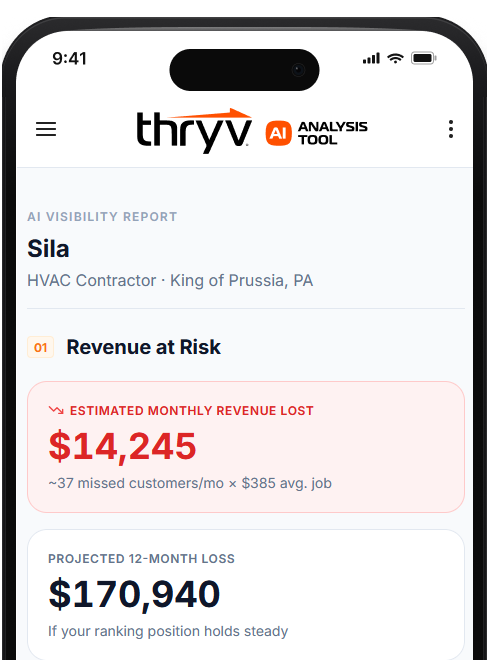
See how your business stacks up against competitors
Get a free AI-powered report showing where you rank online and what to fix first.
Put systems in place to stay organized
Your physical tools help you fix plumbing problems, but your digital tools help you run your business, and that’s just as important if you want to stay organized, get paid, and keep customers coming back.
Running a plumbing business means wearing a lot of hats — and not all of them involve turning a wrench. From quoting jobs and managing appointments to following up with customers and staying on top of payments, it’s easy to get overwhelmed fast. That’s why putting the right systems (and software) in place from the start is a game-changer.
Here’s what software for plumbing businesses can help you do:
- Book and manage appointments from anywhere. Whether you’re on a job site or grabbing coffee, you should be able to view, confirm, and adjust appointments right from your phone. Even better? Let customers book directly from your website or social media.
- Create and send professional estimates in minutes. A solid quote helps you win jobs. With digital estimating tools, you can build clean, branded estimates on the spot — and convert them to invoices with just a click.
- Send invoices and take payments quickly. No more chasing checks or losing track of what’s been paid. Look for software that lets you send invoices instantly and accept payments online, by card, or even on-site.
- Automate follow-ups and reminders. Missed messages mean missed jobs. Automated reminders help you follow up with leads, confirm upcoming appointments, and request reviews — all without lifting a finger.
- Keep customer info in one place. A good customer relationship management (CRM) system stores names, job history, notes, and preferences so you’re ready for repeat business.
- Track jobs, hours, and performance. As your team grows, you’ll want tools that help you track employee schedules, measure job profitability, and keep tabs on your business performance overall.
These tools aren’t just “nice to have” — they’re what help you stay competitive, look professional, and scale your business over time. And the best part? You don’t need a dozen different apps to pull it off. You can find it all in a single solution like Thryv®.
Why thousands of plumbers choose Thryv
Thryv is a comprehensive software solution built specifically for small businesses like yours. It replaces the mess of disconnected apps and paperwork with one easy-to-use solution where you can manage your schedule, customer communications, marketing, payments, and more — all from your phone, tablet, or desktop. Whether you’re on the job or on the go, Thryv is available everywhere you work.
Even better — it integrates with the tools you already use — including QuickBooks, Gmail, Square, Zoom, and dozens of others — so you can keep everything in sync and working together.
Whether you’re just learning how to start a plumbing business or you’re ready to grow, Thryv gives you everything you need to market, sell, and grow your business more efficiently — all from one place and all without starting from scratch.
Additional Resources
14 Plumbing Marketing Ideas to Help Grow Your Business
Frequently asked questions
Startup costs can vary depending on where you’re located and how much equipment you already own. Most plumbers can expect to spend between $10,000 and $25,000 to get started — including licensing fees, insurance, tools, a work vehicle, initial marketing, and business software. If you’re planning to hire help right away, factor in payroll and benefits, too.
Yes — and it’s one of the best ways to keep your finances clean and organized. A business account makes it easier to track income and expenses, simplifies tax filing, and helps you build business credit if you plan to apply for financing down the line.
It depends on your goals and workload. Many plumbers start solo to keep overhead low, then bring on an apprentice or part-time help as their schedule fills up. If you do hire employees, make sure you have proper payroll systems and workers’ comp insurance in place.
Great service and fast follow-ups go a long way. But you can also stand out by offering niche services (like tankless water heaters or eco-friendly options), building a strong online presence, and making it easy for customers to book and pay online. Consistent branding and professional communication help, too. Find tools to help you do all of that and more with Thryv.