Key Takeaways
- Potential customers often contact multiple businesses before making a decision.
- A fast response can build trust and increase the likelihood of starting a conversation.
- Delayed follow-up may cause leads to lose interest or choose a more responsive competitor.
- Automated responses can acknowledge inquiries quickly, including outside regular business hours.
- AI Lead Insights can help businesses better understand, prioritize, and follow up with their most promising opportunities.
When a potential customer reaches out to your business, the clock starts immediately.
They may have found you through Google, an online review, social media, or a referral. They may be interested enough to fill out a form, request a quote, or send a message. But there is a good chance they are also contacting other businesses.
That means the first business to respond may have an advantage.
Fast follow-up is not just about being quick. It shows potential customers that your business is attentive, organized, and ready to help. A timely response can build trust early in the customer journey and make it easier to turn initial interest into a meaningful conversation.
For busy small businesses, though, responding quickly is not always simple. Leads can come in while you are serving customers, working in the field, or handling other priorities. Without a clear process, inquiries can sit unanswered, follow-up can become inconsistent, and promising opportunities can lose momentum.
The good news is that businesses do not have to manage every lead manually. With the right combination of AI-powered lead insights, automated messaging, and organized follow-up, you can respond faster and make more informed decisions about where to focus your time.

4 AI Checklists to Automate and Grow Your Small Business
Simplify your daily operations with practical AI checklists designed to save time, improve consistency, and help you scale with confidence. From CRM and content to dashboards and customer interactions, learn how to streamline the systems that power your business.
Download
Why Lead Response Time Matters
Lead response time is the amount of time it takes a business to respond after a potential customer submits an inquiry, sends a message, requests a quote, or takes another action that signals interest.
It is easy to think of follow-up as something that happens after a lead enters your system. In reality, the first response is often part of the customer experience.
A quick reply tells a potential customer:
- Your business is paying attention.
- Their inquiry was received.
- Someone is available to help.
- They can expect clear communication moving forward.
Even if you cannot provide a complete answer immediately, acknowledging the inquiry can help maintain momentum.
For example, a customer requesting a service quote may not expect a detailed estimate within minutes. But a prompt message confirming that you received their request and explaining what happens next can make the experience feel more responsive and reliable.
The goal is not to rush every conversation. The goal is to make sure interested customers are not left wondering whether anyone saw their message.

Expert Tip
The goal is not to rush every conversation. The goal is to make sure interested customers are not left wondering whether anyone saw their message.
Customers Are Often Comparing Multiple Businesses
Today’s customers have more information and more choices than ever.
A customer looking for a local service may search online, read reviews, compare websites, and contact several businesses within a short period of time. They may submit multiple quote requests or send similar questions to different companies before deciding who to work with.
When that happens, responsiveness can become a differentiator.
Imagine two businesses receive the same inquiry:
Business A responds quickly, confirms the request, and explains the next step.
Business B responds the next day after the customer has already spoken with another provider.
Even if both businesses offer similar services, the customer may feel more confident moving forward with the business that responded first and made communication easy.
Speed alone does not guarantee a sale. Customers still consider price, experience, reviews, availability, and other factors. But a fast response gives your business an opportunity to start the conversation before interest fades, or the customer moves on.
Fast Follow-Up Helps Build Trust
Trust begins before a customer makes a purchase.
Every interaction gives people information about what it may be like to work with your business. When communication is prompt and clear, customers may see your business as more dependable and professional.
A quick response can also reduce uncertainty.
Potential customers may have questions such as:
- Did my request go through?
- Is this business accepting new customers?
- When will someone contact me?
- How long will it take to receive a quote?
- What should I do next?
A timely acknowledgment can answer some of these questions before the customer has to ask.
Fast follow-up also creates an opportunity to guide the conversation. Instead of waiting for a lead to contact you again, you can provide helpful information, ask relevant questions, or offer a clear next step.
That early engagement can make it easier to build a relationship and move the lead closer to becoming a customer.
Free Checklist: Customer Conversion Checklist 2026
Turn more leads into loyal, repeat customers with a practical checklist designed to improve every stage of the customer journey. Learn how to strengthen customer relationships with smarter campaigns, reviews, and follow-up strategies that build trust and drive long-term growth.
DOWNLOAD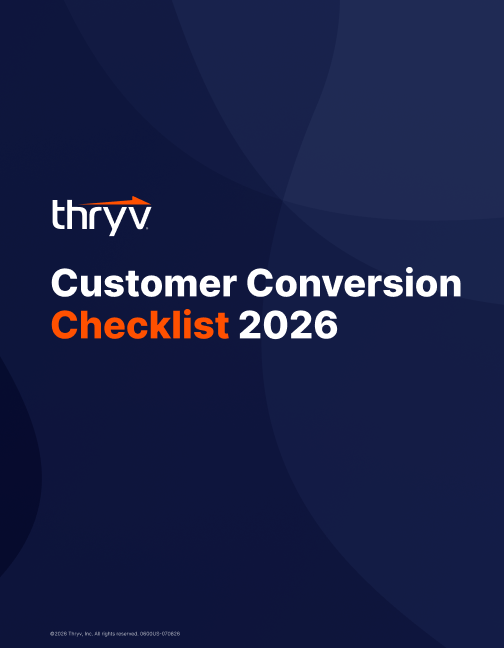
What Happens When Businesses Respond Too Slowly?
A delayed response does not always mean a lead is lost. Some customers are willing to wait, especially when they already know and trust a business.
But when a new lead is actively comparing options, every delay can create more opportunities for competitors to engage first.
Slow follow-up can lead to several challenges:
Leads may lose interest
Interest is often strong when a customer first reaches out. If they do not hear back, their attention may shift to another business or another solution.
Customers may question responsiveness
A long wait can create uncertainty about how the business communicates. Customers may wonder whether future questions or service needs will receive the same level of attention.
Important details can be missed
When inquiries are managed across emails, text messages, forms, and other channels, it can be difficult to keep track of every conversation. Without an organized system, leads may be overlooked or contacted too late.
Follow-up becomes inconsistent
Busy teams may respond quickly when schedules are manageable but fall behind during peak periods. This can create an uneven experience for potential customers and make lead conversion harder to predict.
The longer a lead sits without a response, the more difficult it may become to restart the conversation.
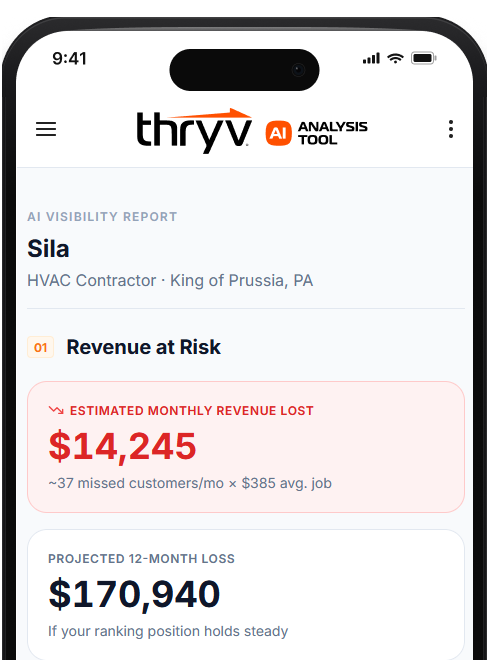
See how your business stacks up against competitors
Get a free AI-powered report showing where you rank online and what to fix first.
How Automation Supports Faster Lead Response
Small business owners cannot always respond at the moment a new inquiry arrives.
You may be meeting with customers, completing a job, managing employees, or handling work that requires your full attention. Leads may also come in after business hours, on weekends or during times when no one is available to monitor messages.
Automation can help close that gap.
Automated responses and messaging tools can acknowledge an inquiry quickly and let the customer know what to expect next. For example, an automated message might confirm that the request was received and explain when a team member will follow up.
This keeps the conversation active without requiring someone to manually respond to every message immediately.
Automation can also help businesses:
- Send timely acknowledgments when a new lead comes in.
- Provide basic information about next steps.
- Keep communication moving outside regular business hours.
- Reduce the risk of inquiries being overlooked.
- Create a more consistent experience across lead sources.
Automation is not meant to replace personal communication. It helps businesses respond quickly, maintain momentum and create space for more meaningful follow-up.
Once a team member is available, they can review the lead, understand the customer’s needs and continue the conversation with a more personalized response.
Use AI Lead Insights to Prioritize the Right Opportunities
Responding quickly is important, but not every lead has the same level of urgency or potential.
Some leads may be ready to make a decision. Others may still be researching options. Some may have a clear need and strong purchase intent, while others may require more nurturing before they are ready to move forward.
That is where AI Lead Insights can help.
AI Lead Insights can help businesses better understand incoming leads by surfacing useful information from customer interactions. Instead of relying only on manual review, teams can use AI-powered insights to gain a clearer picture of what a lead is asking for and how the conversation may be progressing.
These insights can make it easier to:
- Identify leads that may require immediate attention.
- Understand the context behind an inquiry.
- Review key details without searching through every message.
- Prioritize follow-up based on lead activity and potential.
- Give team members more context before they respond.
When combined with automated messaging, AI Lead Insights can support a more effective lead response process.
Automation helps ensure that customers receive a timely acknowledgment. AI-powered insights help your team understand which opportunities may deserve the fastest or most personalized follow-up.
Together, these tools can help businesses move beyond simply responding to every inquiry and toward managing leads with greater clarity and confidence.
Create a Faster, More Consistent Lead Follow-Up Process
Improving lead response time does not always require hiring more staff or being available around the clock. Often, it starts with creating a clearer process.
Consider these steps:
1. Capture leads in one organized place
When inquiries are scattered across different inboxes, forms and communication channels, it becomes harder to see what needs attention.
Bringing lead information into a centralized system can help your team track conversations and reduce the chance that opportunities are missed.
2. Set expectations with an immediate acknowledgment
Use automated messaging to let customers know their inquiry was received. Include helpful information about when they can expect a response or what will happen next.
3. Use AI insights to review and prioritize leads
Look for signals that can help you understand customer needs, identify high-potential opportunities and determine which conversations may require faster follow-up.
4. Make the next step clear
A response should do more than say, “We received your message.”
Whenever possible, guide the customer toward a clear next action. That may include scheduling an appointment, answering a question, requesting additional information or setting up a call.
5. Keep follow-up consistent
Not every lead will respond after the first message. Create a process for checking back so promising opportunities do not disappear simply because the first conversation paused.
6. Review what is working
Track how quickly your business responds and look for patterns in your lead activity. Understanding where leads come from and how they move through your process can help you identify opportunities to improve.
Faster Responses Can Create Better Opportunities
Every lead represents a customer who took the time to learn more about your business and reach out.
The way you respond can influence what happens next.
A fast acknowledgment shows customers that their inquiry matters. Automated messaging helps your business stay responsive when your team is busy or unavailable. AI Lead Insights can provide more context about incoming opportunities, helping your team prioritize follow-up and focus on the conversations that may have the greatest potential.
You do not have to choose between responding quickly and responding thoughtfully.
With the right tools and process, your business can acknowledge leads sooner, stay connected throughout the customer journey and give every opportunity the attention it deserves.
Ready to create a more connected lead experience? Explore how Thryv can help you capture leads, automate communication and use AI-powered insights to prioritize your next best opportunity.
Frequently asked questions
A: Lead response time is the amount of time it takes a business to respond after a potential customer submits an inquiry, requests information, sends a message or takes another action that shows interest.
A: Fast follow-up helps maintain customer interest, builds trust and gives your business an opportunity to begin the conversation before a potential customer chooses another provider.
A: Automated responses can help businesses acknowledge inquiries quickly and keep customers informed about what happens next. While automation does not replace personal communication, it can help maintain momentum until a team member is available to follow up.
A: AI Lead Insights can help businesses better understand incoming inquiries by surfacing useful context from customer interactions. These insights can make it easier to prioritize opportunities and prepare for more informed follow-up.
A: Businesses may not be able to provide a full response outside regular hours, but automated messaging can acknowledge the inquiry and set expectations for when the customer will hear back. This helps customers feel recognized while keeping the conversation active.
A: Thryv provides tools that help businesses capture and organize leads, automate responses and stay connected with potential customers. AI Lead Insights can also help teams better understand and prioritize opportunities so they can focus their follow-up efforts more effectively.